Crepes are more than just thin pancakes – they’re cultural icons. Light, flexible, and endlessly adaptable, crepes can be filled with anything from sugar and lemon to mushrooms and cheese. Almost every country has its own version: the French with their delicate buckwheat galettes, the Russians with hearty blinis, the Indians with crispy dosas, and the Japanese with colorful crepe cones stuffed with fruit and cream.
This global love for crepes is rooted in their simplicity and adaptability. With just flour, eggs, and milk (or even plant-based alternatives), you can make a blank canvas that’s ready for both sweet indulgence and savory nourishment. In this blog, we’ll explore crepes from around the world, their cultural significance, and recipes you can try at home.

1. The French Origin: Classic Crepes & Galettes
The Birthplace of Crepes
Crepes originated in Brittany, France, during the 13th century. Traditionally made with buckwheat flour (galettes), they were a peasant dish before becoming a staple in French cuisine. Sweet crepes made with wheat flour gained popularity later, often served with butter, sugar, or Nutella.
Famous Fillings in France
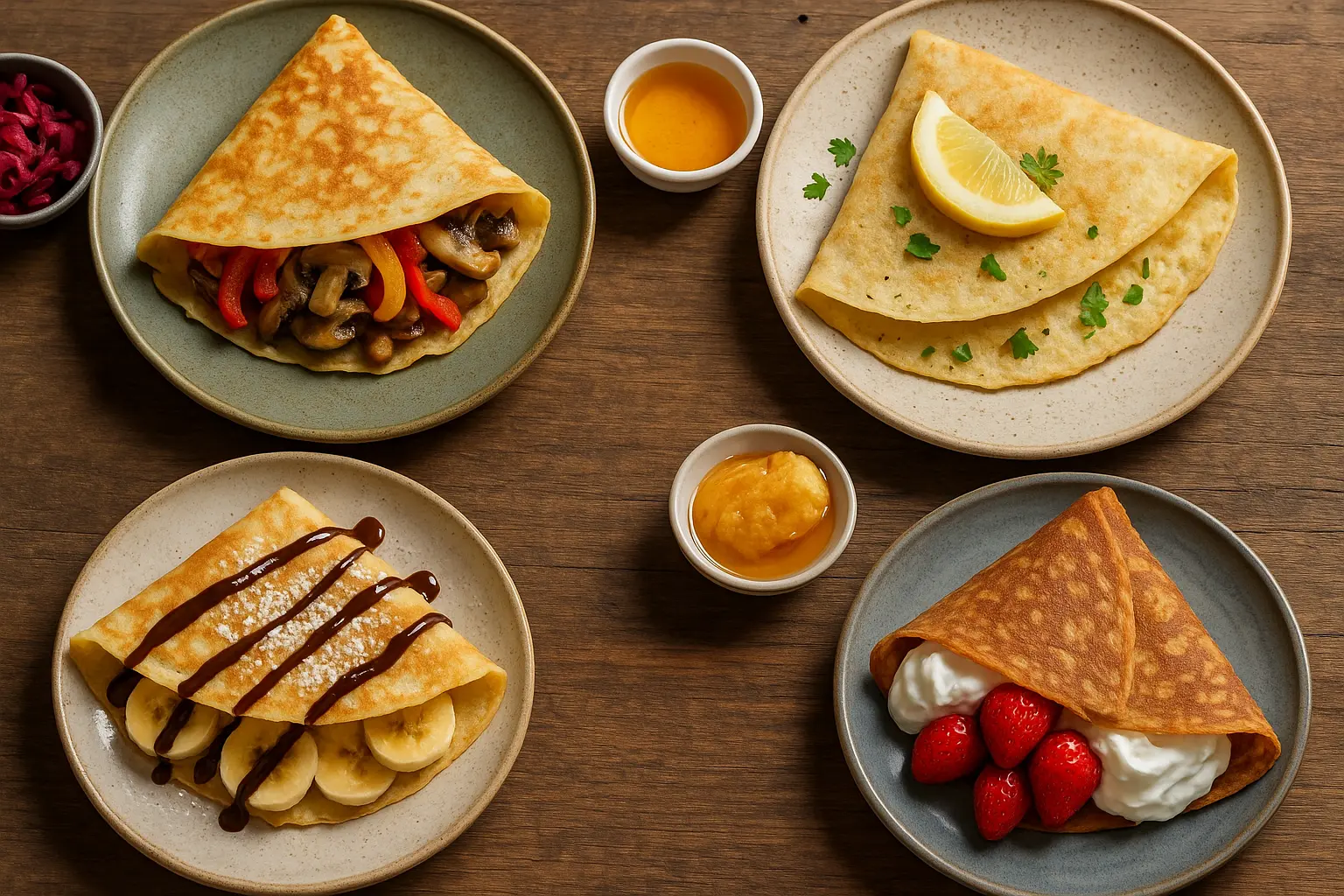
- Sweet: Lemon & sugar, Nutella & banana, strawberries with whipped cream.
- Savory (Galettes): Ham & cheese, spinach & egg, smoked salmon with crème fraîche.
Cultural Significance
France even celebrates La Chandeleur (Candlemas) by eating crepes on February 2nd, symbolizing prosperity for the year ahead.
2. Russian Blinis: A Celebration of Warmth
Russian blinis are small, yeasted pancakes traditionally made with wheat or buckwheat flour. They are slightly thicker than French crepes but still soft and foldable.
Sweet & Savory Toppings
- Sweet: Honey, sour cream, berry jam.
- Savory: Caviar, smoked fish, sautéed mushrooms.
Blinis play a central role in Maslenitsa, Russia’s butter festival, marking the end of winter. They symbolize the sun, warmth, and the promise of spring.
3. Japanese Street-Style Crepes
Japan took the French crepe and reinvented it for street food culture. These crepes are folded into handheld cones and stuffed with colorful, Instagram-worthy fillings.
Popular Fillings
- Matcha ice cream, mochi, strawberries, whipped cream.
- Savory options like tuna salad, teriyaki chicken, or egg with mayo.
Japanese crepes embody kawaii (cute) culture, and you’ll often see them sold in Harajuku stands with dozens of variations.
4. Indian Dosas and Cheelas: The Crisp Crepe Cousins
India has its own take on crepe-like foods.
- Dosa: A thin, crispy crepe made from fermented rice and lentil batter, often filled with spiced potatoes.
- Cheela: A quick chickpea flour crepe, often cooked with onions, tomatoes, and chilies.
Sweet Indian Crepes
Certain Indian states also make Patishapta, sweet crepes filled with coconut and jaggery, often during festivals.
5. Mexican & Latin American Crepe Variations
Mexico’s answer to crepes is often crepas con cajeta – thin crepes filled with goat’s milk caramel. Latin America also experiments with tropical fruits, dulce de leche, and chocolate.
In Brazil, thin tapioca flour crepes are popular, stuffed with either savory cheese and ham or sweet chocolate and banana.
6. Middle Eastern Qatayef & Similar Crepes
In Middle Eastern cuisine, you’ll find Qatayef during Ramadan – small, fluffy crepes stuffed with nuts, cream, or cheese, then fried or baked. They’re drizzled with sugar syrup, making them both festive and indulgent.
7. American Crepes: Weekend Brunch Favorites
While the U.S. is better known for thick pancakes, crepes are a beloved brunch item. American-style crepes are often larger and loaded with generous fillings.
Popular combos include:
- Blueberries with cream cheese filling.
- Chicken and mushroom in creamy sauce.
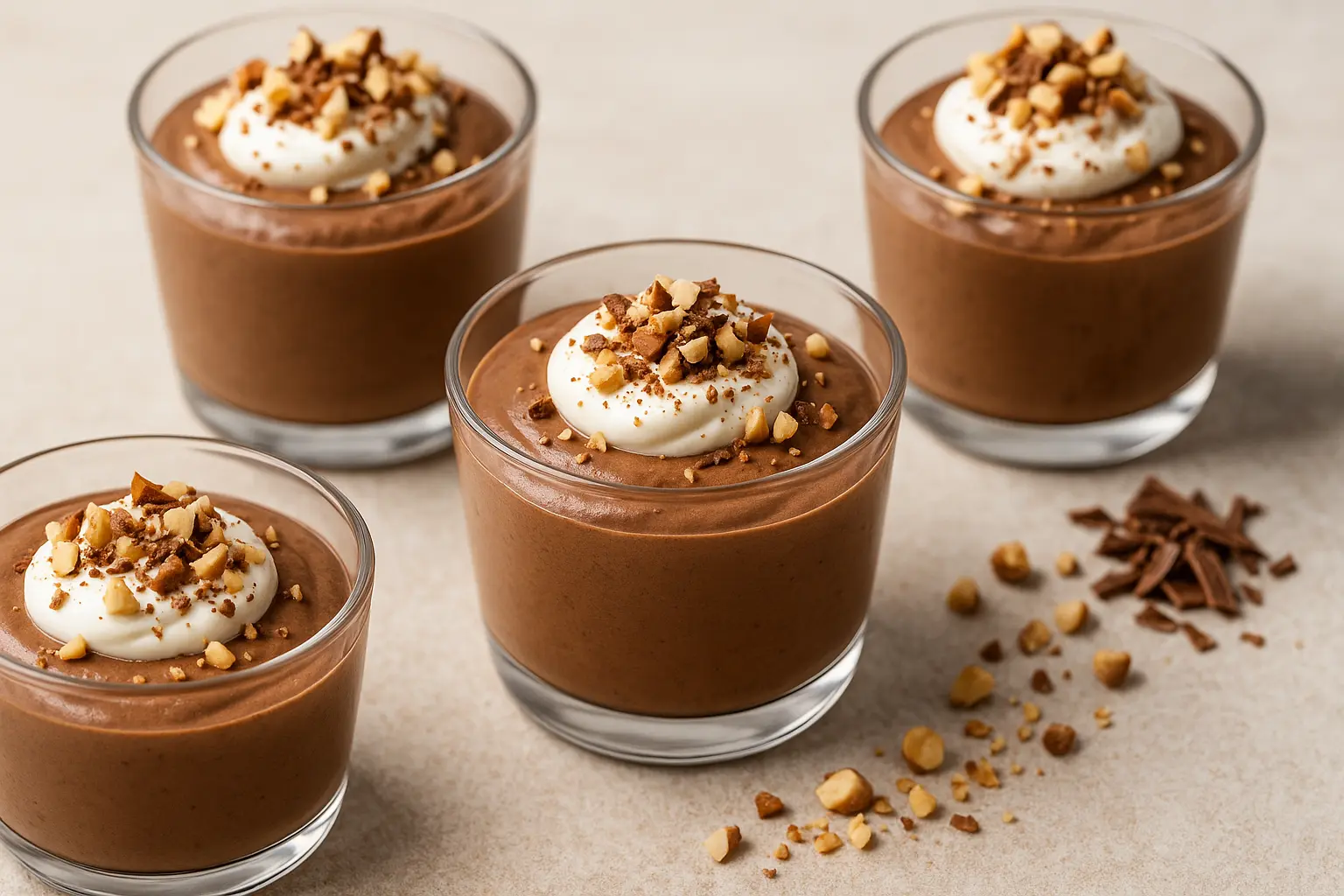
- Chocolate hazelnut with toasted nuts.
8. European Variations Beyond France & Russia
- Hungary: Palacsinta, often rolled with jam or cottage cheese.
- Sweden: Pannkakor, thin pancakes served with lingonberry jam.
- Italy: Crespelle, sometimes baked with ricotta and spinach in a savory lasagna-like dish.
9. Savory Crepes as Meals
Crepes aren’t limited to dessert. Savory versions around the globe include:
- Smoked salmon & dill in Scandinavian variations.
- Spinach & feta in Mediterranean recipes.
- Spicy potato masala in Indian dosas.
They serve as light dinners, nutritious lunches, or even party food.
10. Sweet Crepes as Desserts
On the sweet side, crepes become decadent desserts:
- Caramelized apple crepes with cinnamon.
- Crepes Suzette (flambéed with orange liqueur).
- Chocolate crepes layered into cakes.
11. Crepes in Modern Food Trends
Today, crepes are being reinvented for modern diets:
- Gluten-Free Crepes: Using buckwheat, rice, or almond flour.
- Vegan Crepes: With oat milk and flaxseed “eggs.”
- High-Protein Crepes: Made with protein powder or chickpea flour.
Food trucks, brunch cafés, and global street food festivals have made crepes even more popular worldwide.
12. How to Make the Perfect Crepe
Ingredients (Basic Batter)
- 1 cup flour
- 2 eggs
- 1 ¼ cups milk
- 1 tbsp butter (melted)
- Pinch of salt
Method
- Whisk ingredients into a smooth batter.
- Rest for 20–30 minutes.
- Heat a nonstick pan, pour batter thinly, and cook until golden.
- Flip gently and cook briefly on the other side.
Tips
- Resting the batter ensures elasticity.
- Use a crepe spreader or tilt the pan quickly for thinness.
- Keep the pan lightly greased for easy flipping.
13. Cultural Celebrations with Crepes
- France: Candlemas (La Chandeleur).
- Russia: Maslenitsa (Butter Week).
- India: Festivals like Makar Sankranti with Patishapta.
- Middle East: Ramadan with Qatayef.
Crepes are tied not just to meals, but to traditions that bring families together.
Conclusion: A Global Journey on a Plate
From Paris to Tokyo, Moscow to Mumbai, crepes unite cultures through a shared love of creativity and comfort. Their adaptability makes them timeless – equally at home on a busy weekday breakfast table, a romantic dinner, or a festive celebration.
Whether you prefer them stuffed with Nutella, wrapped around spiced potatoes, or folded into a cone of cream and strawberries, crepes tell the story of food that transcends borders.

Leave a comment
Your email address will not be published. Required fields are marked *