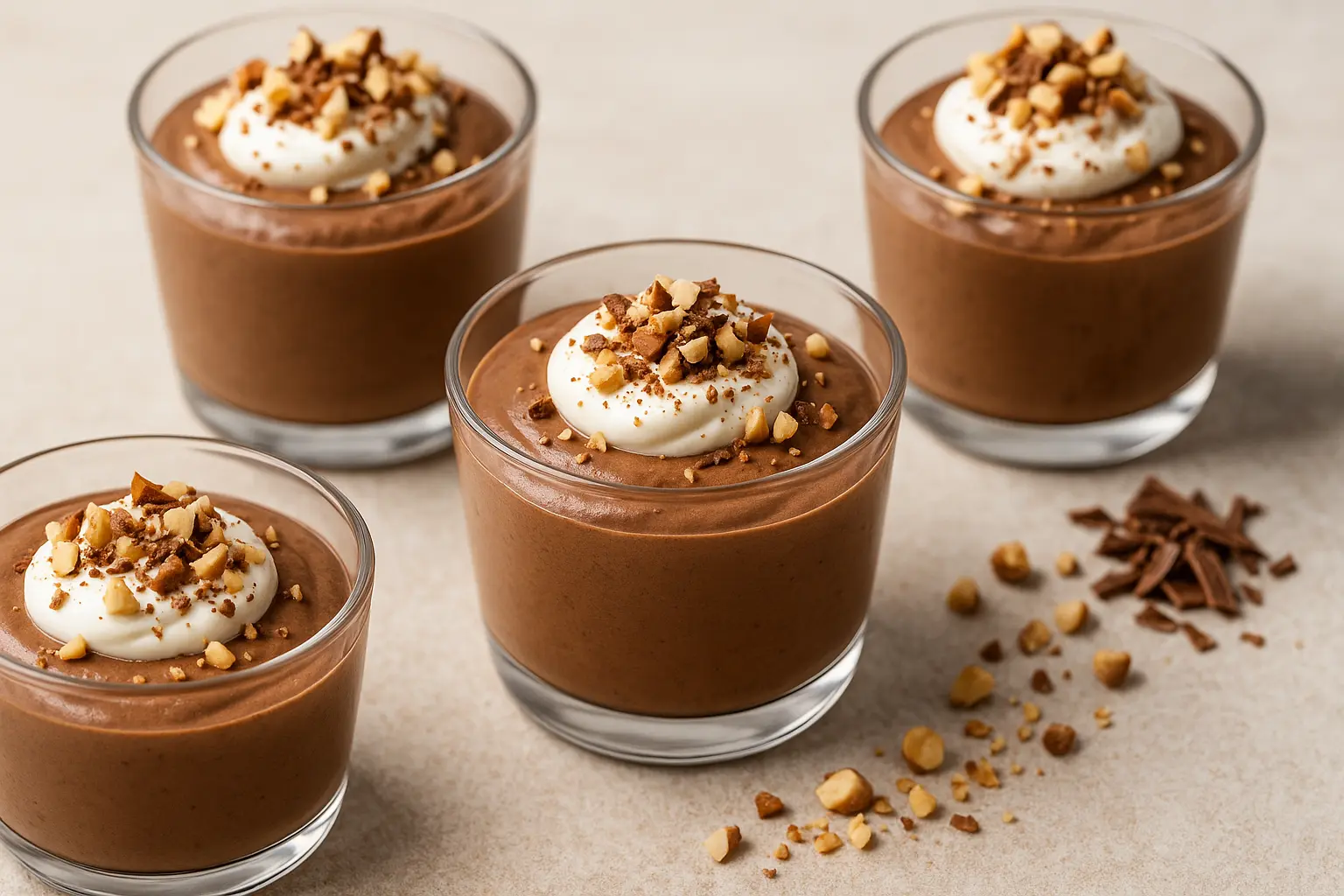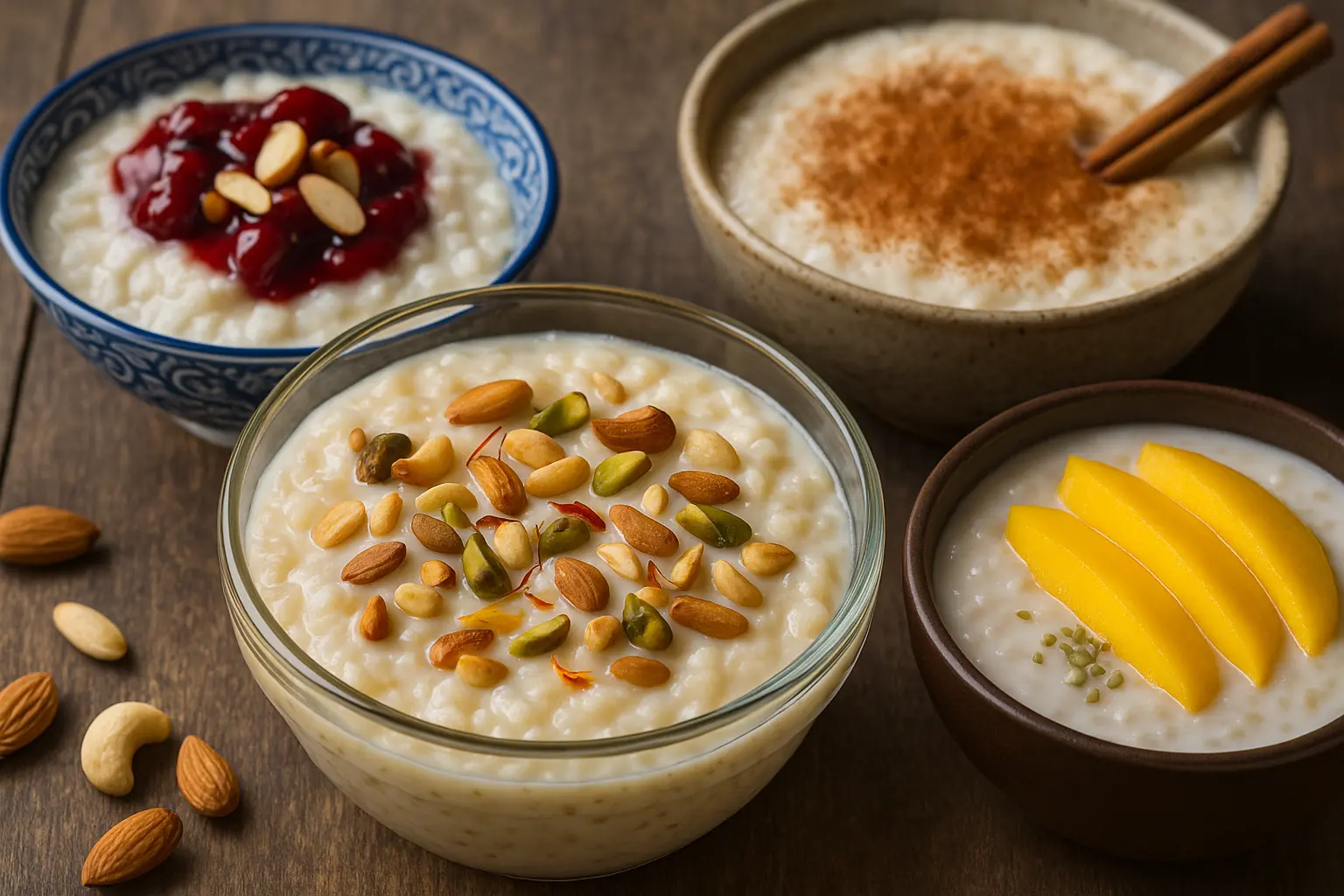
There’s something universal about rice pudding — a humble, creamy dessert that connects nearly every culture on earth. Whether you’re in India savoring a bowl of cardamom-infused kheer, in Britain spooning through a baked milk pudding, or in Mexico enjoying cinnamon-dusted arroz con leche, rice pudding delivers one simple promise: comfort in every bite.
This dish transcends borders, made from basic pantry staples — rice, milk, and sugar — yet capable of infinite transformations through regional spices, sweeteners, and techniques. Some serve it cold, others hot. Some use condensed milk for richness, others rely on coconut milk or cream for a dairy-free twist. What unites them all is the nostalgia they bring — the taste of childhood, celebration, or simple home-cooked warmth.
In this culinary journey, we’ll explore how different parts of the world prepare rice pudding, what makes each version unique, and how you can recreate them in your own kitchen.
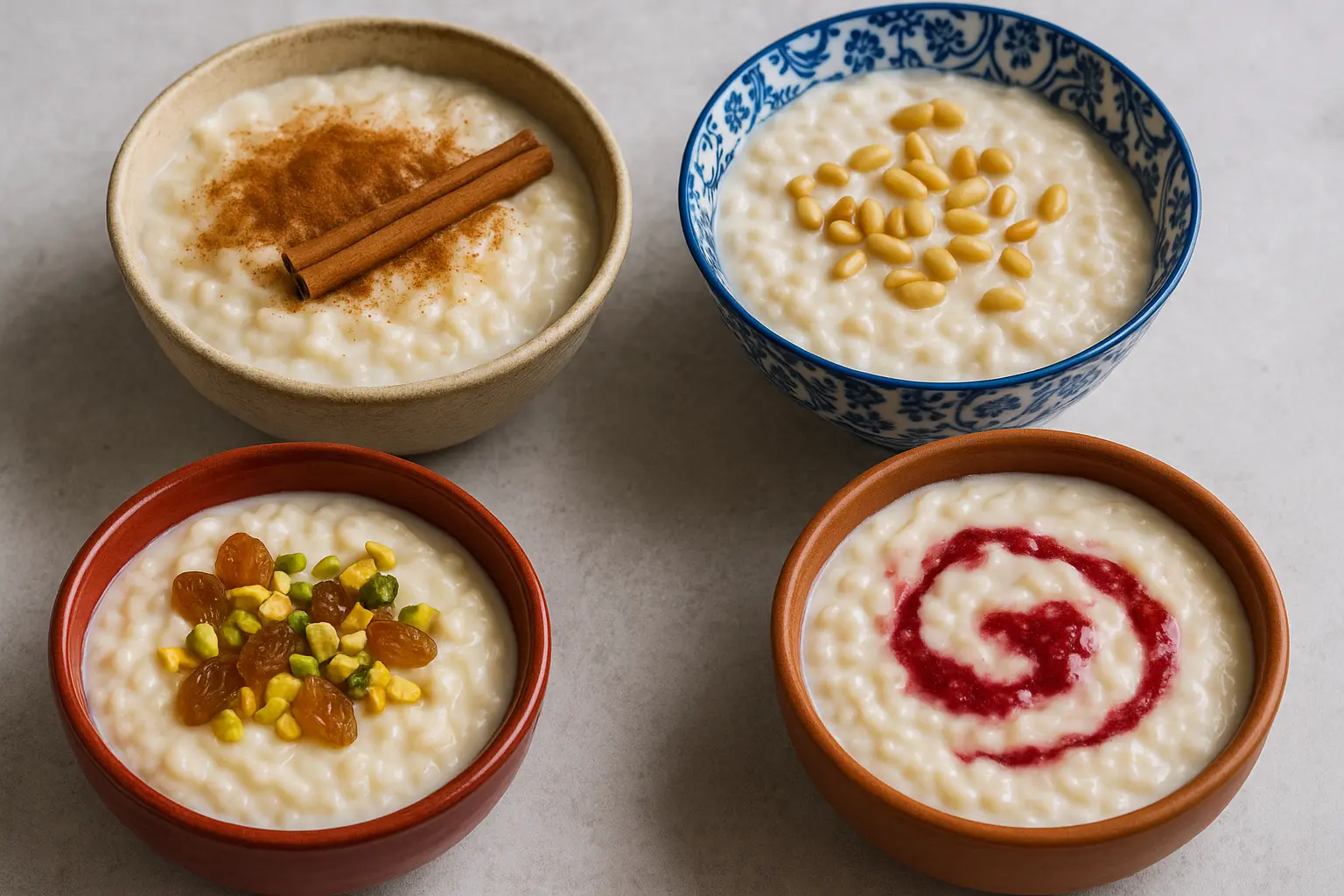
1. India: Kheer – The Royal Sweet of Festivities
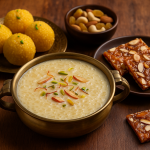
In India, rice pudding is known as Kheer, and it’s far more than just dessert — it’s a dish of celebration. Prepared during Diwali, weddings, or religious offerings, kheer symbolises abundance and auspicious beginnings.
Ingredients & Flavour
- Basmati rice simmered in whole milk until creamy
- Sweetened with sugar or jaggery
- Fragrant with cardamom, saffron, and rosewater
- Garnished with slivered almonds, cashews, and pistachios
Regional Variations
- Payasam (South India): Made with coconut milk and jaggery instead of dairy milk and sugar.
- Phirni (North India): Uses ground rice instead of whole, resulting in a smoother, custard-like texture.
- Chaler Payesh (Bengal): Features Gobindobhog rice, ghee, and condensed milk for a rich, caramelised flavour.
Kheer’s charm lies in slow cooking — the gradual thickening of milk, the fragrance of spices, and the golden hue from saffron. It’s a dessert that rewards patience and celebrates simplicity.
2. The Middle East: Roz Bel Laban – Creamy and Aromatic
In Egypt and across the Middle East, Roz Bel Laban (literally, “rice with milk”) is a household favourite. It’s often served cold, topped with nuts or a dusting of cinnamon, and sometimes finished with orange blossom or rosewater.
Key Elements
- Short-grain rice, pre-cooked and combined with milk
- Thickened with a touch of cornstarch or cream
- Sweetened lightly — never overpowering
- Garnished with crushed pistachios or desiccated coconut
Middle Eastern versions celebrate texture — soft but not mushy — and balance sweetness with floral notes. Some families bake the pudding in small ramekins until a golden crust forms on top, adding contrast and aroma.
3. Europe: Creamy Classics from Britain, Scandinavia & Beyond
Britain: Baked Rice Pudding
The British version is iconic for its simplicity. Using rice, milk, nutmeg, and a bit of butter, it’s slow-baked until a caramelised skin forms — a signature element for traditionalists.
- Serving: Warm, with a dollop of jam or cream.
- Modern twist: Add vanilla or lemon zest for freshness.
Scandinavia: Risgrynsgröt (Sweden) & Risalamande (Denmark)
Scandinavians have turned rice pudding into both a daily treat and a Christmas ritual.
- Risgrynsgröt (Sweden): A warm, thick porridge served with cinnamon sugar and butter.
- Risalamande (Denmark): Cold rice pudding mixed with whipped cream, almonds, and cherry sauce — a must-have during Christmas dinners.
Legend says whoever finds the whole almond in their bowl gets good luck (or an extra gift!).
Italy: Budino di Riso
In Tuscany, Budino di Riso is a baked rice pudding tart with a custard-like filling inside buttery pastry shells. It’s often enjoyed as a breakfast pastry with espresso — proof that rice pudding can be both dessert and morning comfort.
4. Latin America: Arroz con Leche – A Sweet Hug in a Bowl
Few desserts are as culturally widespread in Latin America as Arroz con Leche. This creamy concoction has Spanish origins but evolved beautifully across Mexico, Peru, Argentina, and beyond.
Core Ingredients
- Medium-grain rice cooked with milk, sugar, and cinnamon sticks
- Often enhanced with condensed milk or evaporated milk for richness
- Raisins, orange peel, or vanilla are common add-ins
Regional Twists
- Mexico: Topped with ground cinnamon and sometimes served cold.
- Peru: Uses cloves and port wine for deeper flavour.
- Costa Rica: Adds coconut milk for a tropical edge.
Every spoonful carries warmth and simplicity — reminiscent of abuela’s kitchen and family gatherings.
5. Asia-Pacific: From Filipino Ginataang to Thai Coconut Rice Pudding
Philippines: Ginataang Mais / Malagkit
Filipino rice pudding leans tropical — made with glutinous rice, coconut milk, and often corn or jackfruit.
- Ginataang Mais: Sweet corn and rice cooked in coconut milk.
- Bibingka Malagkit: Sticky rice cake topped with caramelised coconut cream, often served during festivals.
These versions are rich, naturally dairy-free, and incredibly fragrant — showcasing coconut as the heart of Southeast Asian comfort.
Thailand: Khao Niew Moon
Thailand’s famous sticky rice dessert — Khao Niew Moon — pairs glutinous rice cooked in coconut milk with ripe mango slices. Though often seen as a “dessert plate,” it’s essentially a tropical variation of rice pudding with fresh fruit contrast.
6. The Americas Beyond Latin: U.S. Southern and Caribbean Styles
Southern U.S. Rice Pudding
In the American South, rice pudding is hearty and homely — often baked and spiced with nutmeg and vanilla. Some versions are served warm with bourbon sauce or topped with meringue.
- Texture: Custardy inside, golden outside.
- Flavour profile: Vanilla, cinnamon, butter, and sometimes raisins.
Caribbean: Jamaican Rice and Peas Sweet Twist
In Jamaica and Trinidad, rice pudding takes inspiration from local ingredients. Coconut milk, brown sugar, and nutmeg combine for a tropical richness, sometimes cooked over open flame for a smoky undertone.
7. East Asian Elegance: Japan and China’s Subtle Versions
Japan: Okayu Sweet Rice Porridge
Though not a dessert by default, okayu (rice porridge) can be sweetened lightly and flavoured with azuki beans or matcha syrup for a comforting breakfast-style pudding.
China: Sweet Congee (Tianzhou)
Chinese sweet congee uses sticky rice boiled with red dates or lotus seeds. Served warm, it’s soothing and nourishing — often part of Lunar New Year breakfasts.
8. The Science of Perfect Rice Pudding
While every country has its twist, the core science of rice pudding is universal: controlling starch release and moisture balance.
Tips for Perfect Texture
- Choose the right rice:
- Short or medium-grain rice yields creaminess (Arborio, Jasmine, or glutinous rice).
- Simmer gently:
- Avoid boiling — low, slow cooking ensures creamy consistency.
- Sweeten wisely:
- Add sugar after the rice has softened; this helps prevent it from becoming tough.
- Add flavour near the end:
- Spices and extracts keep their aroma best when added last.
- Cool correctly:
- To prevent skin formation, cover pudding with cling wrap touching the surface while cooling.
9. Healthy & Modern Twists
Even classic desserts can be reimagined for today’s preferences. Here’s how to make rice pudding fit different diets and lifestyles.
Vegan / Dairy-Free
- Use coconut, almond, or oat milk instead of dairy.
- Sweeten with maple syrup or coconut sugar.
High-Protein
- Add protein powder or Greek yoghurt post-cooking for a nutritious dessert.
Keto or Low-Carb
- Swap rice with cauliflower “rice” or konjac rice.
- Use erythritol or monk fruit as sweeteners.
Gluten-Free
- Naturally gluten-free, just ensure no cross-contamination with other grains.
Instant Pot or Slow Cooker Methods
Modern appliances can simplify preparation.
- Instant Pot: Cook rice with milk for 15 minutes on porridge mode.
- Slow Cooker: Combine all ingredients and cook on low for 3–4 hours, stirring once halfway.
These versions keep the tradition alive while embracing convenience.
10. Creative Serving Ideas
Rice pudding doesn’t always have to look plain — presentation can elevate this humble dish.
- Layered Parfait: Alternate pudding with fruit compote or jam.
- Mini Tarts: Use rice pudding as a filling for shortcrust shells.
- Frozen Treat: Chill in popsicle moulds with mango or chocolate swirls.
- Festive Style: Add edible rose petals, saffron threads, or crushed pistachios for colour.
Pair with fresh berries, caramel sauce, or even a drizzle of espresso for a grown-up twist.
11. The Emotional Connection: Nostalgia in Every Culture
Ask anyone their earliest food memories, and rice pudding often appears.
In India, it’s tied to family celebrations.
In Latin America, it reminds people of childhood and Sunday gatherings.
In Britain, it recalls grandmother’s kitchen, slow-baked aromas filling the home.
This shared emotional thread is what makes rice pudding so timeless. Across oceans, generations, and cuisines, it continues to bring warmth, simplicity, and sweetness to life’s moments — big or small.
Conclusion: One Dish, Infinite Stories
Rice pudding is more than a recipe — it’s a story written differently by every culture. It adapts to climates, ingredients, and traditions while preserving its heartwarming essence. Whether it’s saffron-stained kheer, creamy Danish risalamande, or coconut-rich arroz con leche, each bowl captures what comfort truly means.
So next time you make rice pudding, think of it as more than dessert — think of it as a global connection, a shared comfort that has travelled across centuries to reach your spoon.

Leave a comment
Your email address will not be published. Required fields are marked *