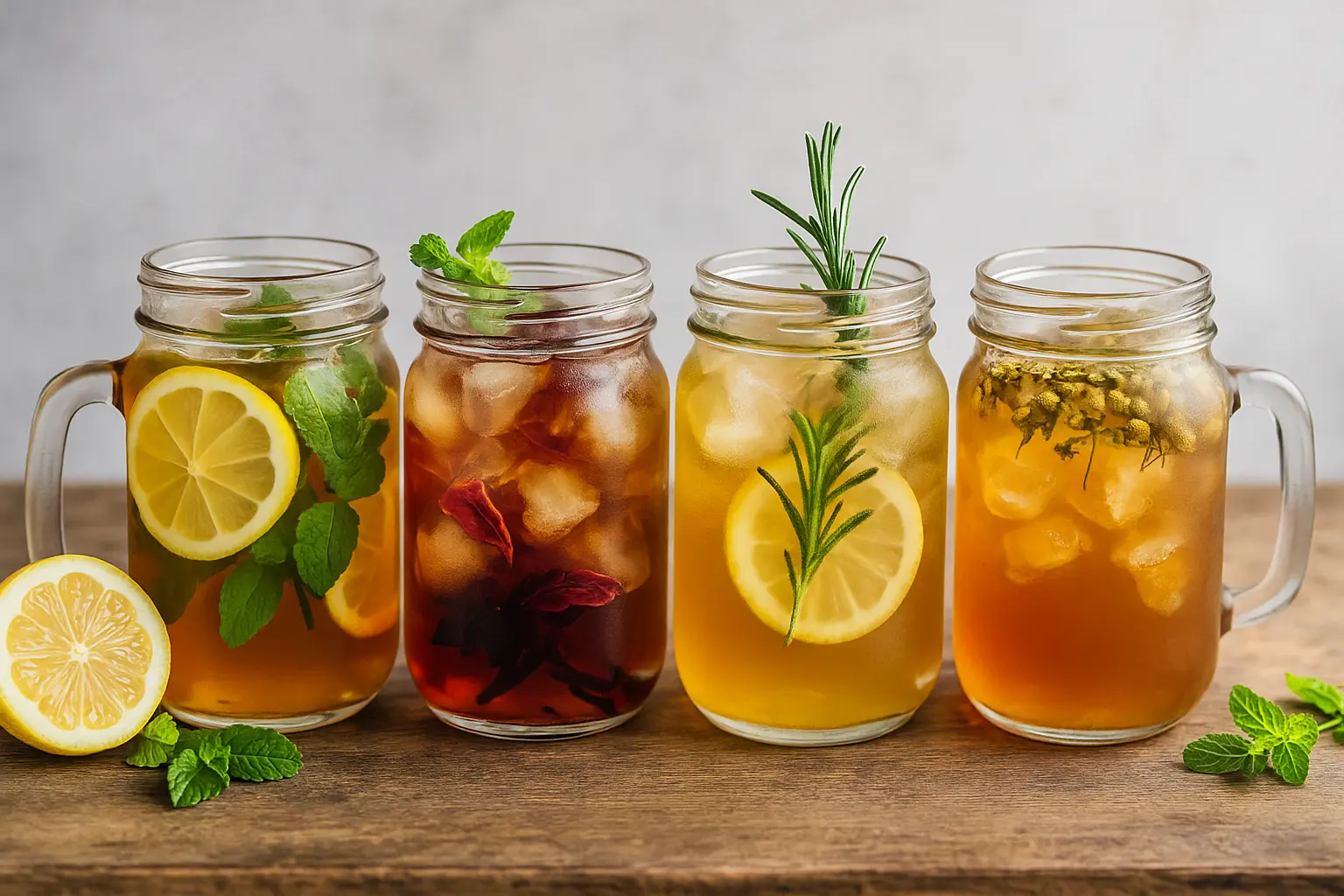
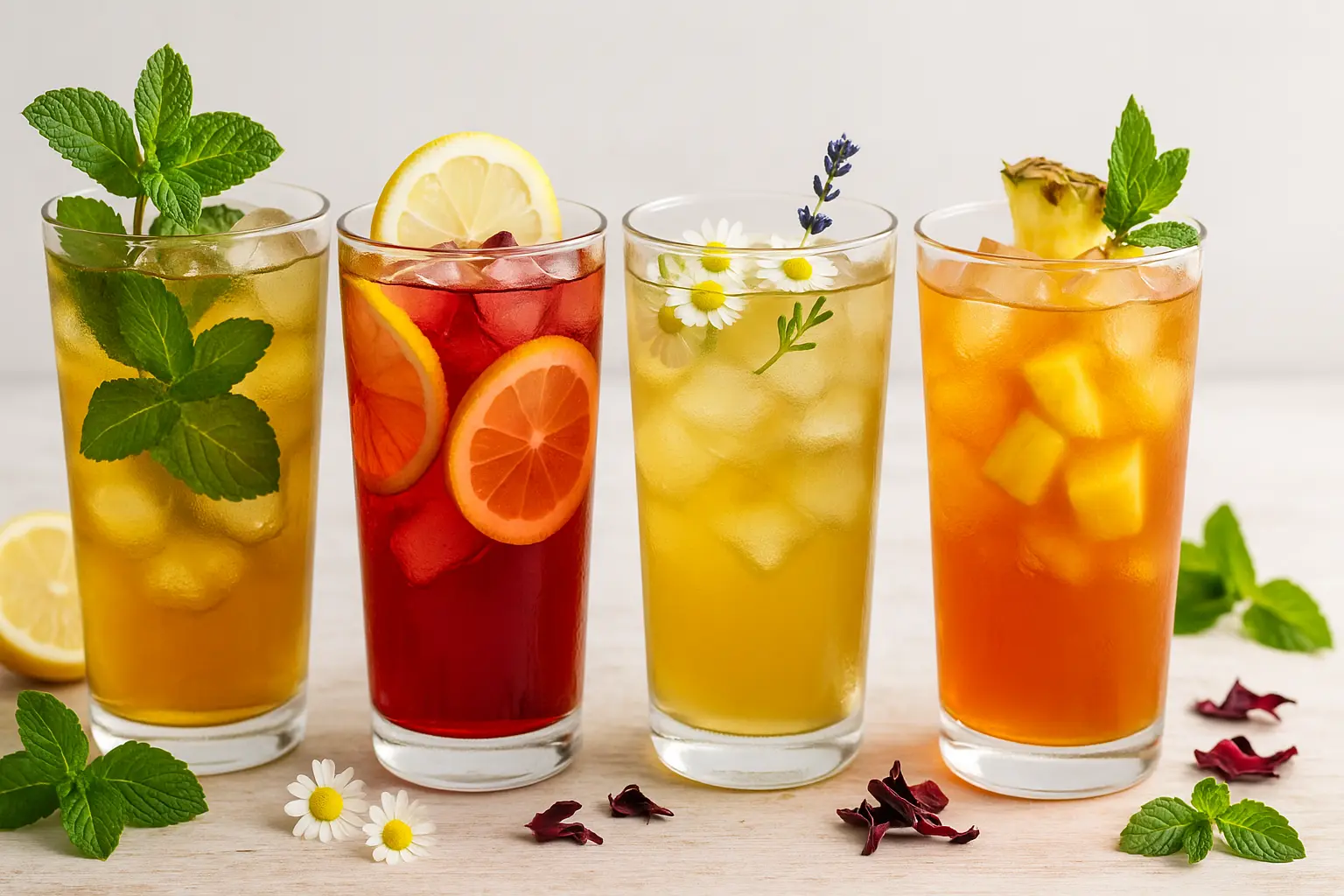
When the summer heat sets in, nothing feels more refreshing than a chilled glass of iced tea. While traditional black or green iced tea is always a favorite, herbal infusions bring something extra to the table—flavor variety, natural health benefits, caffeine-free options, and a colorful twist. Herbal iced teas are versatile, easy to prepare, and endlessly customizable with seasonal fruits, spices, and sweeteners.
In this guide, we’ll dive into the history of iced tea, the benefits of herbal infusions, essential brewing techniques, and over a dozen unique recipes you can make at home. Whether you want something soothing like chamomile-lavender, energizing like mint and lemongrass, or tropical like hibiscus and pineapple, there’s an iced tea for every mood and occasion.
Part 1: A Brief History of Iced Tea
Iced tea might feel like a modern refreshment, but its roots go back centuries:
- China & Japan (Tang Dynasty, 7th–9th century): Cold tea preparations were already in practice, though not widespread.
- 19th-century America: During the late 1800s, iced tea gained popularity in the southern U.S. as a cooling drink at fairs and public gatherings.
- 1904 St. Louis World’s Fair: Tea planter Richard Blechynden popularized iced tea when visitors sought a cold alternative to hot tea in the summer heat.
- Modern Day: Today, iced tea is enjoyed worldwide, often customized with herbs, fruits, syrups, and spices. Herbal versions are especially sought-after for their caffeine-free refreshment and natural wellness benefits.
Part 2: Why Herbal Infusions for Iced Tea?
Herbal teas (also called tisanes) are made from dried herbs, flowers, fruits, or spices rather than traditional tea leaves (Camellia sinensis). They’re naturally caffeine-free and can be tailored for flavor, mood, or health purposes.
Key Benefits:
- Cooling & Hydrating: Perfect for hot climates and summer months.
- Caffeine-Free Options: Safe for children, elders, or anyone avoiding stimulants.
- Rich in Antioxidants: Ingredients like hibiscus, rooibos, and rosehip are packed with antioxidants.
- Digestive Support: Herbs like mint, fennel, and chamomile aid digestion.
- Sleep & Stress Relief: Lavender and chamomile are known for calming properties.
- Creative Flavor Profiles: Combine herbs, spices, and fruits for unique blends.
Part 3: Brewing Techniques for Herbal Iced Teas
There are two main methods:
1. Hot Brew, Then Chill
- Steep herbs in boiling water (5–10 minutes).
- Strain and let cool.
- Pour over ice or refrigerate for 2–4 hours.
2. Cold Brew (Overnight Method)
- Place dried herbs in cold water.
- Refrigerate for 8–12 hours.
- Strain and serve.
- This method creates a smoother, less bitter flavor and works well with fruit/herb blends.
Tips for Best Flavor:
- Always use filtered or mineral water.
- Store in glass jars/bottles to preserve freshness.
- Sweeten lightly with honey, agave, or stevia (optional).
- Garnish with fresh herbs or fruit slices for presentation.
Part 4: Essential Herbal Ingredients
Here are some of the best herbs for iced tea infusions:
- Mint (Peppermint, Spearmint): Cooling, digestive, and uplifting.
- Chamomile: Calming, floral, and great for stress relief.
- Hibiscus: Tart, fruity, rich in Vitamin C, with a vibrant red color.
- Lemongrass: Citrusy and energizing.
- Lavender: Soothing and aromatic.
- Rooibos: Naturally sweet, caffeine-free, and rich in antioxidants.
- Rose Petals: Delicate floral notes, adds elegance.
- Ginger: Spicy kick, aids digestion.
- Basil & Tulsi (Holy Basil): Herbal, slightly peppery, boosts immunity.
Part 5: Recipes – Herbal Iced Tea Inspirations
Here’s a collection of 12 refreshing iced tea recipes you can make at home.
1. Classic Mint Iced Tea
- Ingredients: Peppermint leaves, honey, lemon slices.
- Flavor: Cooling, mildly sweet, perfect for hot afternoons.
2. Hibiscus & Rosehip Cooler
- Tart hibiscus with rosehip for a berry-like flavor.
- Deep red color makes it Instagram-worthy.
3. Chamomile-Lavender Chill
- Calming blend, great before bedtime.
- Add a touch of vanilla for dessert-like notes.
4. Lemongrass & Ginger Zing
- Zesty, slightly spicy, invigorating.
- Ideal after meals to aid digestion.
5. Rooibos Peach Iced Tea
- Rooibos base, peach slices, and a hint of cinnamon.
- Naturally sweet without sugar.
6. Tropical Pineapple-Hibiscus Iced Tea
- Hibiscus, pineapple chunks, and mint.
- A fruity mocktail alternative.
7. Cucumber & Basil Refresher
- Light, hydrating, with subtle herbal tones.
- Great for detox vibes.
8. Apple-Cinnamon Rooibos
- Warming spices meet chilled refreshment.
- Perfect transition drink for late summer.
9. Turmeric & Lemon Detox Tea
- Anti-inflammatory, earthy, and tangy.
- Add black pepper to enhance curcumin absorption.
10. Berry Blast Iced Tea
- Mixed dried berries, hibiscus, and green rooibos.
- Kid-friendly and antioxidant-rich.
11. Tulsi & Cardamom Herbal Cooler
- Indian-inspired infusion, fragrant and immunity-boosting.
12. Rose & Lychee Iced Tea
- Exotic, floral, and sweet.
- A romantic, party-ready drink.
Part 6: Flavor Pairing Guide
- Fruits: Citrus, berries, stone fruits, tropical fruits.
- Spices: Cinnamon, cardamom, cloves, star anise.
- Herbs: Mint, basil, thyme, rosemary.
- Sweeteners: Honey, maple syrup, agave, stevia.
Part 7: Storage & Serving Tips
- Store prepared iced teas in the fridge for up to 48 hours.
- Use mason jars or glass pitchers for easy serving.
- Add ice cubes made from the same tea to avoid dilution.
- Serve with reusable metal or bamboo straws for eco-friendly sipping.
Part 8: Herbal Iced Teas Around the World
- Thailand: Thai iced tea with spices, though usually made with black tea, can be adapted with rooibos for herbal versions.
- Egypt: Hibiscus tea ("Karkade") is served chilled during festivals.
- Morocco: Mint tea (traditionally hot) also has iced adaptations.
- India: Tulsi and lemongrass are common in homemade herbal teas.
- Latin America: Herbal infusions like chamomile and hibiscus (known as Jamaica in Mexico) are traditional summer coolers.
Part 9: Health & Lifestyle Integration
Herbal iced teas are more than just drinks—they can be part of your daily wellness ritual:
- Replace sugary sodas with naturally flavored iced teas.
- Sip a calming blend in the evening instead of dessert.
- Use them as a base for mocktails with sparkling water.
- Offer at parties as alcohol-free, kid-friendly options.
Conclusion
Herbal iced teas combine the best of flavor, health, and creativity. With endless combinations of herbs, fruits, and spices, you can craft your own signature blends to suit your mood or occasion. Whether you prefer floral, fruity, spicy, or earthy notes, there’s an infusion waiting to be brewed.
So, the next time summer heat calls for refreshment, skip the store-bought sugary drinks and prepare your own cooling herbal iced tea. Not only will you stay hydrated, but you’ll also enjoy the holistic benefits of nature’s most powerful botanicals—one chilled glass at a time.

Leave a comment
Your email address will not be published. Required fields are marked *