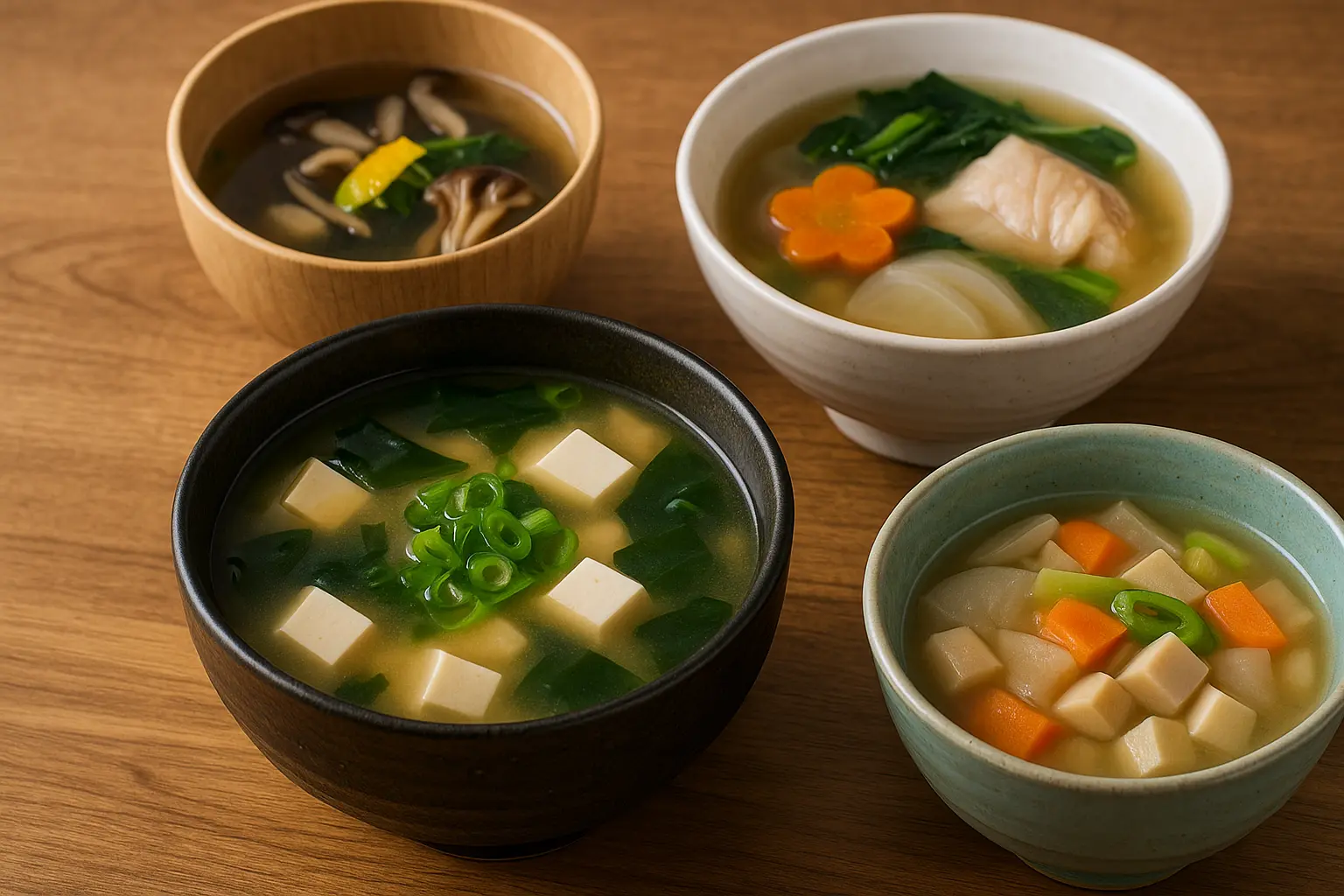
When it comes to food that nourishes both the body and the soul, few cuisines do it better than Japanese cooking. Japanese soups, in particular, embody the concept of “washoku”—a harmony of taste, texture, appearance, and seasonal balance. Unlike heavy cream-based soups of Western tradition, light Japanese soups are clean, simple, and deeply restorative.
For anyone pursuing clean eating, low-FODMAP lifestyles, or comfort food without guilt, these soups offer the perfect middle ground: delicious flavor, easy digestion, and balanced nutrition. In this guide, we’ll explore their cultural roots, nutritional benefits, and practical recipes you can easily make at home.
Why Japanese Soups Are Ideal for Clean Eating
1. Minimal Ingredients, Maximum Flavor
Japanese soups rarely rely on excess fats, oils, or cream. Instead, flavor comes from umami-rich bases like dashi (a broth made from kombu seaweed and bonito flakes). This creates depth without heaviness.
2. Seasonal & Fresh
Japanese cooking is tied to the rhythm of the seasons. Soups often showcase seasonal vegetables, mushrooms, tofu, or seafood, making them naturally nutrient-dense.
3. Digestive-Friendly
Many recipes avoid ingredients that cause digestive discomfort. With rice noodles, tofu, and clear broths, these soups adapt well to low-FODMAP diets.
4. Mindful Eating
Soups in Japan are often enjoyed with rice and side dishes, encouraging slower, mindful meals—a cornerstone of clean eating.
Core Elements of Japanese Soups
Before diving into recipes, let’s look at the foundations:
- Dashi: The base stock made with kombu (kelp) and katsuobushi (bonito flakes). Vegan variations use kombu with shiitake mushrooms.
- Miso Paste: Fermented soybean paste, available in white (shiro), red (aka), or mixed (awase). It adds probiotics and a savory punch.
- Soy Sauce & Mirin: Light seasoning elements, adding balance without overpowering.
- Vegetables: Daikon radish, bok choy, spinach, mushrooms, and carrots often feature.
- Protein Additions: Tofu, egg, chicken, seafood, or thin beef slices.
- Garnishes: Green onions, nori strips, sesame seeds, or yuzu zest add brightness.
Popular Light Japanese Soups
1. Classic Miso Soup
Arguably the most famous Japanese soup, miso soup is clean, quick, and endlessly adaptable.
- Base: Dashi + miso paste
- Additions: Tofu cubes, wakame seaweed, green onions
- Benefits: Probiotic-rich, aids digestion, customizable
Pro tip: Always stir miso paste into the soup off heat to preserve its probiotic properties.
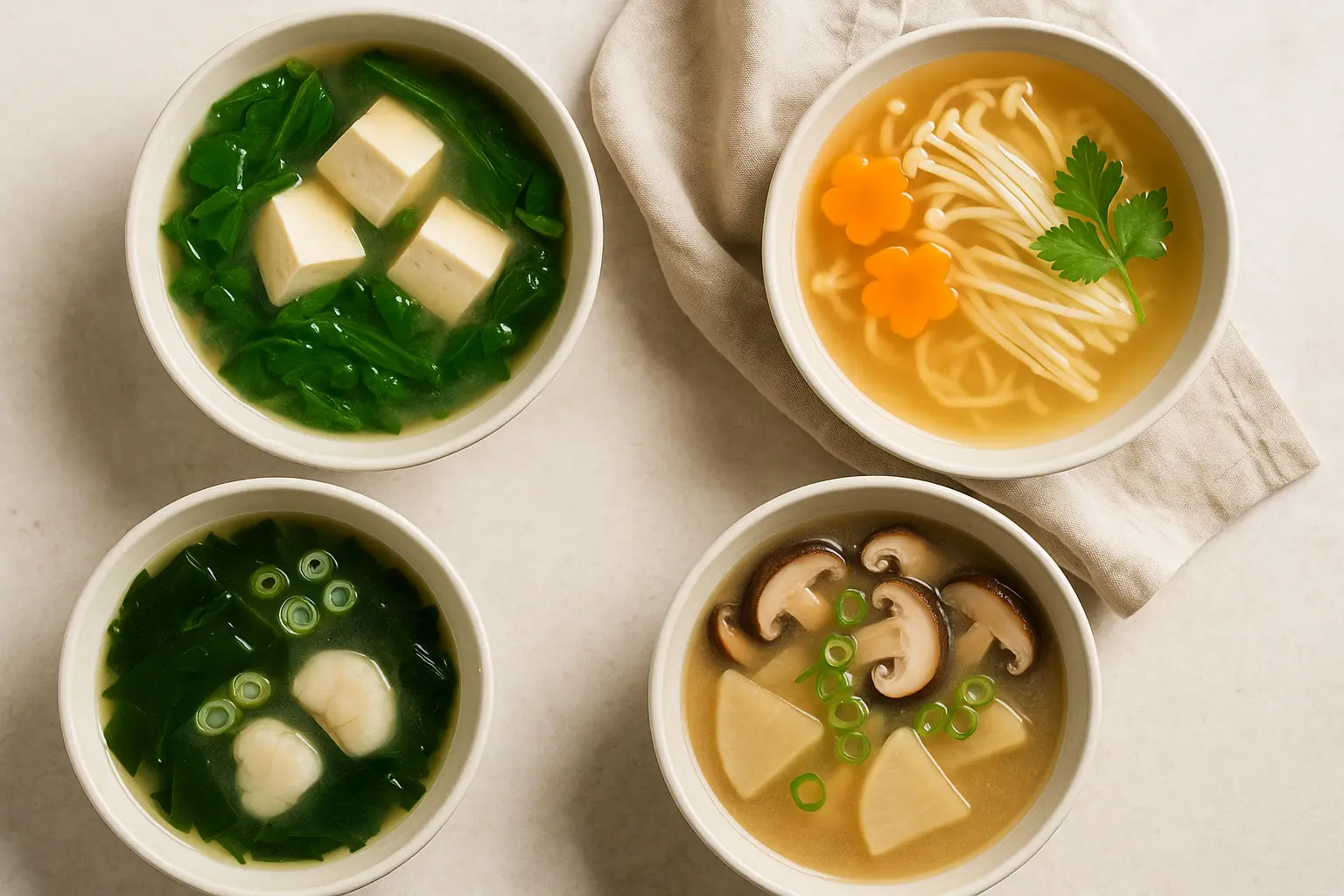
2. Suimono (Clear Soup)
Delicate and refined, suimono literally means “things to sip.”
- Base: Clear dashi broth
- Additions: Seasonal mushrooms, thin fish slices, spinach, carrot cut-outs
- Flavor Profile: Light, subtle, almost tea-like
Why clean eaters love it: Pure broth showcases natural flavors without additives.
3. Ozoni (New Year Soup)
A celebratory soup eaten at New Year’s, symbolizing good fortune.
- Base: Varies regionally—miso in western Japan, clear dashi in eastern Japan
- Additions: Mochi rice cakes, carrots, leafy greens, chicken or fish
- Clean Eating Adaptation: Use low-sodium broth, add extra vegetables
4. Dobin Mushi (Teapot Soup)
A traditional seafood broth steamed in a small teapot, served with lime.
- Base: Light dashi
- Additions: Prawn, chicken, matsutake mushrooms, ginkgo nuts
- Serving: Poured into small cups from the teapot
Note: This soup is fragrant, elegant, and portion-controlled—perfect for mindful dining.
5. Kenchin Jiru (Vegetable & Tofu Soup)
A hearty yet clean soup, originating from Buddhist temple cuisine.
- Base: Dashi, often flavored with soy sauce
- Additions: Tofu, burdock root, carrots, taro, daikon
- Nutritional Edge: High in fiber, plant-based protein
6. Tonkotsu-Inspired Light Pork Soup (Adapted)
While tonkotsu ramen broth is typically rich, you can create a lighter clean-eating version:
- Base: Kombu dashi
- Additions: Thin pork slices, bok choy, mushrooms
- Tip: Skip heavy oils, use lean pork for protein balance
Nutritional Benefits of Light Japanese Soups
- Low Calorie Density: Clear broths and vegetables fill you up without calorie overload.
- Rich in Micronutrients: Seaweed provides iodine, miso offers probiotics, mushrooms give Vitamin D.
- Gut Health Friendly: Many soups are naturally low in fermentable carbs, making them low-FODMAP adaptable.
- Hydration & Warmth: Perfect for winter nourishment and hydration.
Recipes: Light Japanese Soups You Can Try at Home
Below are step-by-step recipes with clean-eating variations.
🍲 Recipe 1: Simple Miso Soup with Tofu & Wakame
Ingredients (2 servings):
- 3 cups dashi stock
- 2 tbsp white miso paste
- ½ block silken tofu (cubed)
- 1 tbsp dried wakame seaweed (rehydrated)
- 1 spring onion, finely chopped
Method:
- Heat dashi stock gently until steaming.
- Add tofu and wakame; simmer 2–3 minutes.
- Remove from heat, dissolve miso paste in a ladle of broth, then stir into pot.
- Garnish with spring onion.
Clean Eating Tip: Use organic miso with less sodium, and add seasonal greens like spinach.
🍲 Recipe 2: Suimono Clear Mushroom Soup
Ingredients (2 servings):
- 3 cups kombu dashi
- 1 tbsp light soy sauce
- 1 tsp mirin (optional)
- 100 g mushrooms (shiitake, enoki, or mixed)
- 1 thin slice yuzu peel (or lemon zest)
Method:
- Simmer dashi with mushrooms for 5 minutes.
- Season with soy sauce and mirin.
- Serve in small bowls with a garnish of yuzu peel.
Low-FODMAP Variation: Use oyster mushrooms instead of shiitake.
🍲 Recipe 3: Kenchin Jiru (Vegetable & Tofu Soup)
Ingredients (3 servings):
- 4 cups kombu dashi
- ½ block firm tofu, cubed
- 1 carrot, sliced
- 1 daikon radish, diced
- 1 taro root or potato, cubed
- 1 tbsp soy sauce
- 1 tbsp sesame oil (optional)
Method:
- Heat sesame oil, sauté carrot and daikon briefly.
- Add dashi, bring to boil.
- Add tofu and taro, simmer 10 minutes.
- Season with soy sauce.
Clean Eating Note: Use less oil or skip it for a lighter broth.
🍲 Recipe 4: Ozoni with Tofu Mochi
Ingredients (2 servings):
- 3 cups dashi broth
- 2 mochi cakes (toasted separately)
- 1 carrot, sliced into flower shapes
- 2 spinach leaves, blanched
- ½ chicken breast, thinly sliced
Method:
- Simmer chicken and carrot in dashi until cooked.
- Add mochi cakes just before serving.
- Garnish with spinach leaves.
Clean Eating Twist: Use tofu-based mochi for easier digestion.
Cooking Tips for Authentic Flavor
- Don’t Overboil Dashi: Keep it gentle; boiling can make it bitter.
- Add Miso at the End: Heat kills probiotics. Stir in just before serving.
- Balance Texture: Japanese soups often include both soft (tofu) and crunchy (veggies) components.
- Season Sparingly: Japanese soups are subtle; avoid over-salting.
Clean Eating & Lifestyle Adaptations
- Vegetarian/Vegan: Use kombu + shiitake dashi, skip bonito.
- Low-FODMAP: Swap out onions, garlic, and shiitake for chives, oyster mushrooms, and ginger.
- Gluten-Free: Use tamari instead of soy sauce.
- High-Protein: Add edamame, chicken breast, or fish slices.
Pairing Japanese Soups with Meals
- With rice bowls for a balanced meal.
- Alongside grilled fish or tofu.
- As a starter for Japanese dinners.
- With pickled vegetables for gut-friendly balance.
Conclusion
Light Japanese soups are more than just meals—they are an experience in simplicity, balance, and mindful nourishment. Whether it’s a bowl of classic miso, a delicate suimono, or hearty kenchin jiru, each soup offers a clean, digestible, and deeply satisfying option for everyday eating.
By embracing these soups, you not only add variety to your meals but also connect with centuries-old Japanese wisdom on food as wellness.

Leave a comment
Your email address will not be published. Required fields are marked *