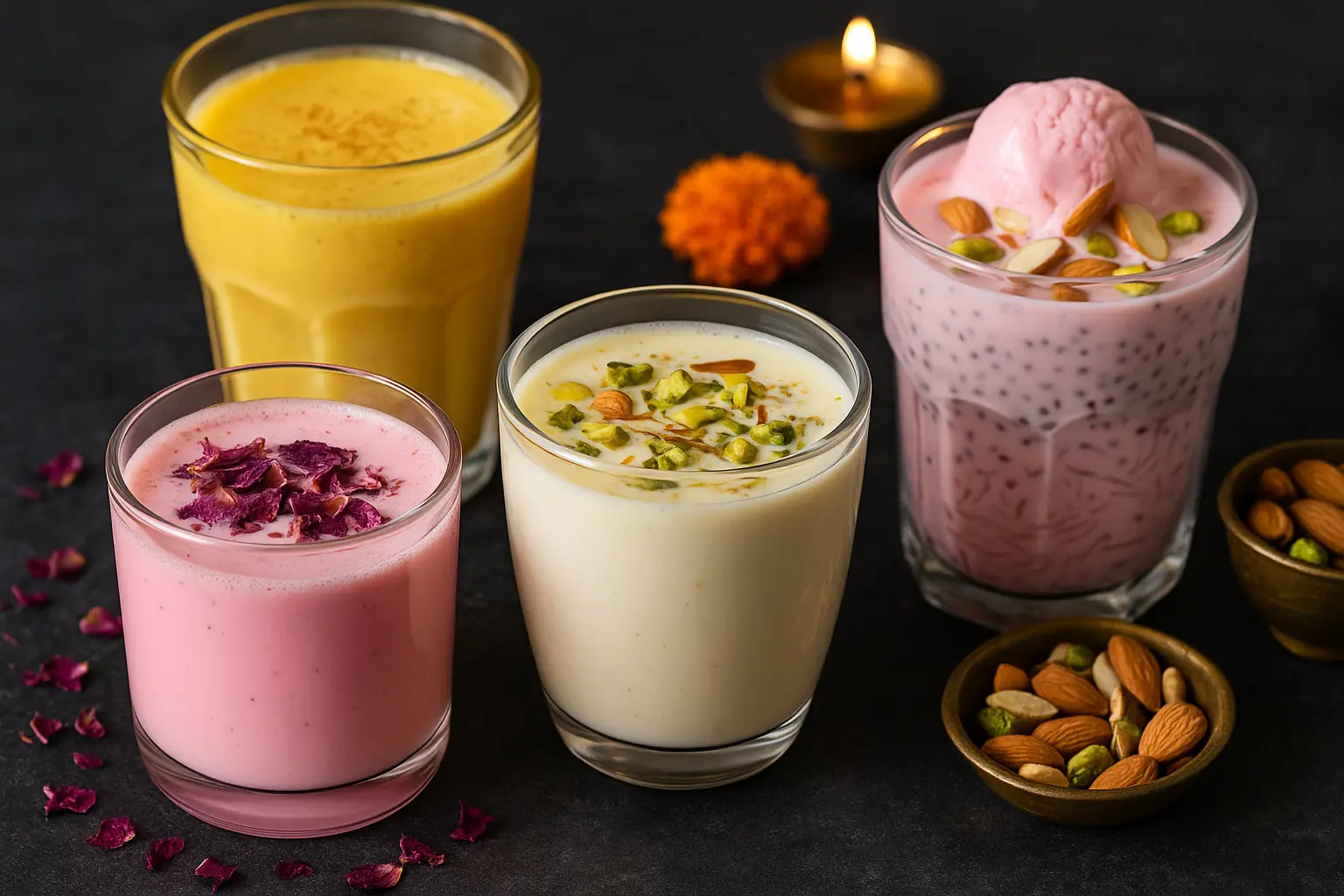
Festivals in India are incomplete without food, sweets, and, of course, beverages. Whether it’s Holi splashed with vibrant colors, Diwali nights lit with diyas, or Eid celebrations with family feasts, every festival is enhanced by the drinks served. Indian festive drinks and mocktails are not just about quenching thirst—they symbolize warmth, togetherness, and hospitality.
In this comprehensive guide, we’ll explore a wide range of festive drinks—traditional Indian beverages passed down for generations, as well as modern mocktails that borrow inspiration from global trends while keeping the festive essence intact.
The Role of Drinks in Indian Festivities
Indian festivals are often tied to seasons, rituals, and cultural traditions. Drinks served during these times are influenced by weather, available ingredients, and the symbolic meaning of flavors.
- Cooling drinks for summer festivals: Holi, celebrated in spring, ushers in warm weather. Drinks like thandai and lassi help cool the body.
- Warming drinks for winter festivals: During Diwali or Lohri, spiced milk, saffron-based drinks, and dry fruit blends are popular.
- Celebration mocktails: In modern India, many households prefer non-alcoholic festive drinks so that everyone—kids, elders, and those avoiding alcohol—can enjoy them together.
Traditional Indian Festive Drinks
1. Thandai – The Holi Favorite
A cooling milk-based drink infused with nuts, spices, and saffron, thandai is synonymous with Holi. Its unique combination of almonds, fennel, rose petals, and cardamom makes it both refreshing and nourishing.
- Why festive? Symbolizes cooling the body as seasons change.
- Modern twist: Strawberry or mango thandai mocktails with fruit puree for kids.
2. Lassi – Punjab’s Gift to Summer
From sweet lassi with rose syrup to savory salted lassi with cumin, this yogurt-based drink is not just delicious but also probiotic-rich. It’s widely enjoyed during Vaisakhi and summer gatherings.
- Festive versions: Mango lassi for Raksha Bandhan, saffron lassi for weddings.
3. Sharbat – Rose, Khus, and Beyond
Traditional sharbats like rose, sandalwood, and khus (vetiver) are staples in North India, especially during Ramadan and Eid. These cooling drinks are served to guests as a gesture of hospitality.
- Tip: Pair with falooda or serve with chilled water/soda for variety.
4. Badam Milk / Kesar Doodh
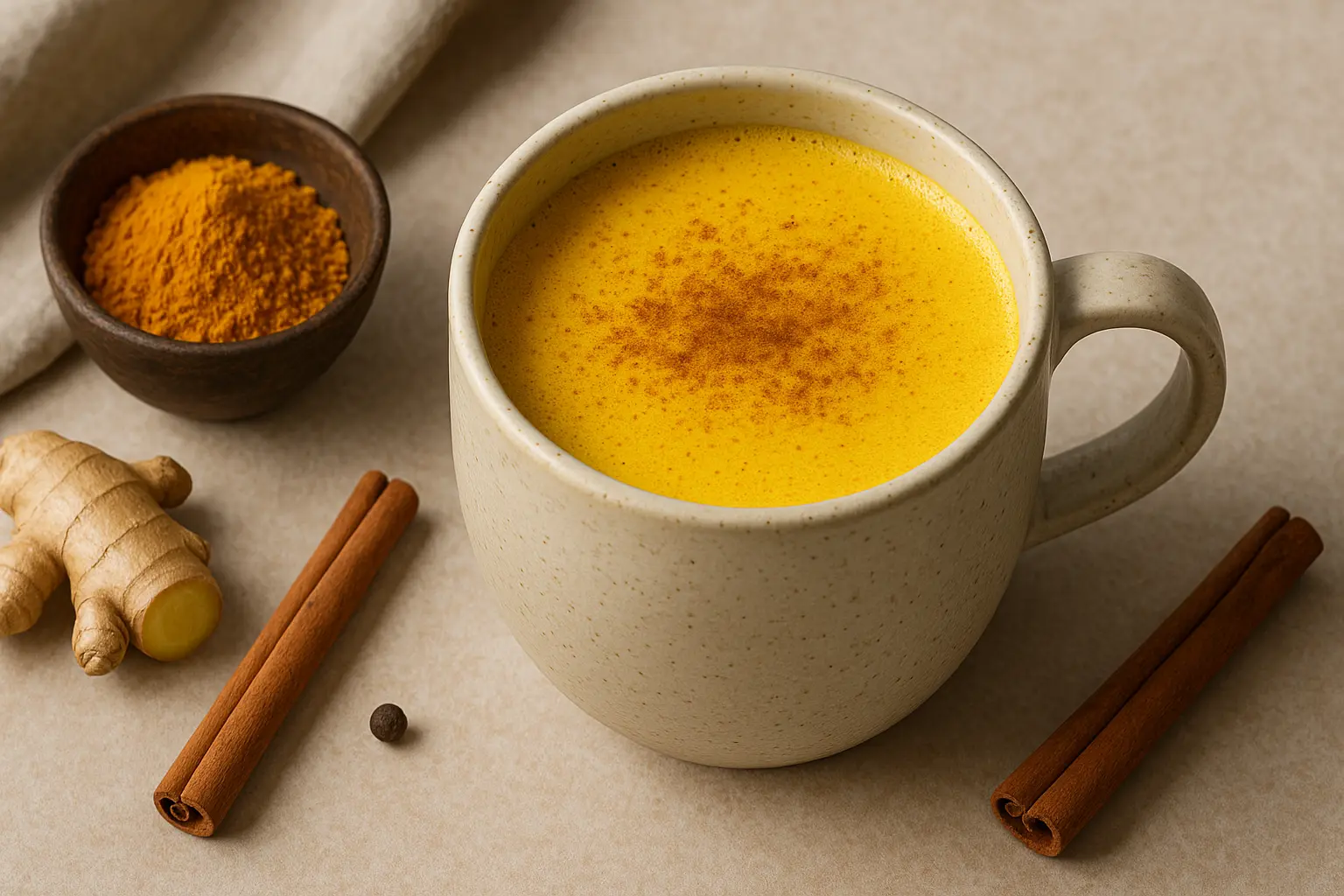
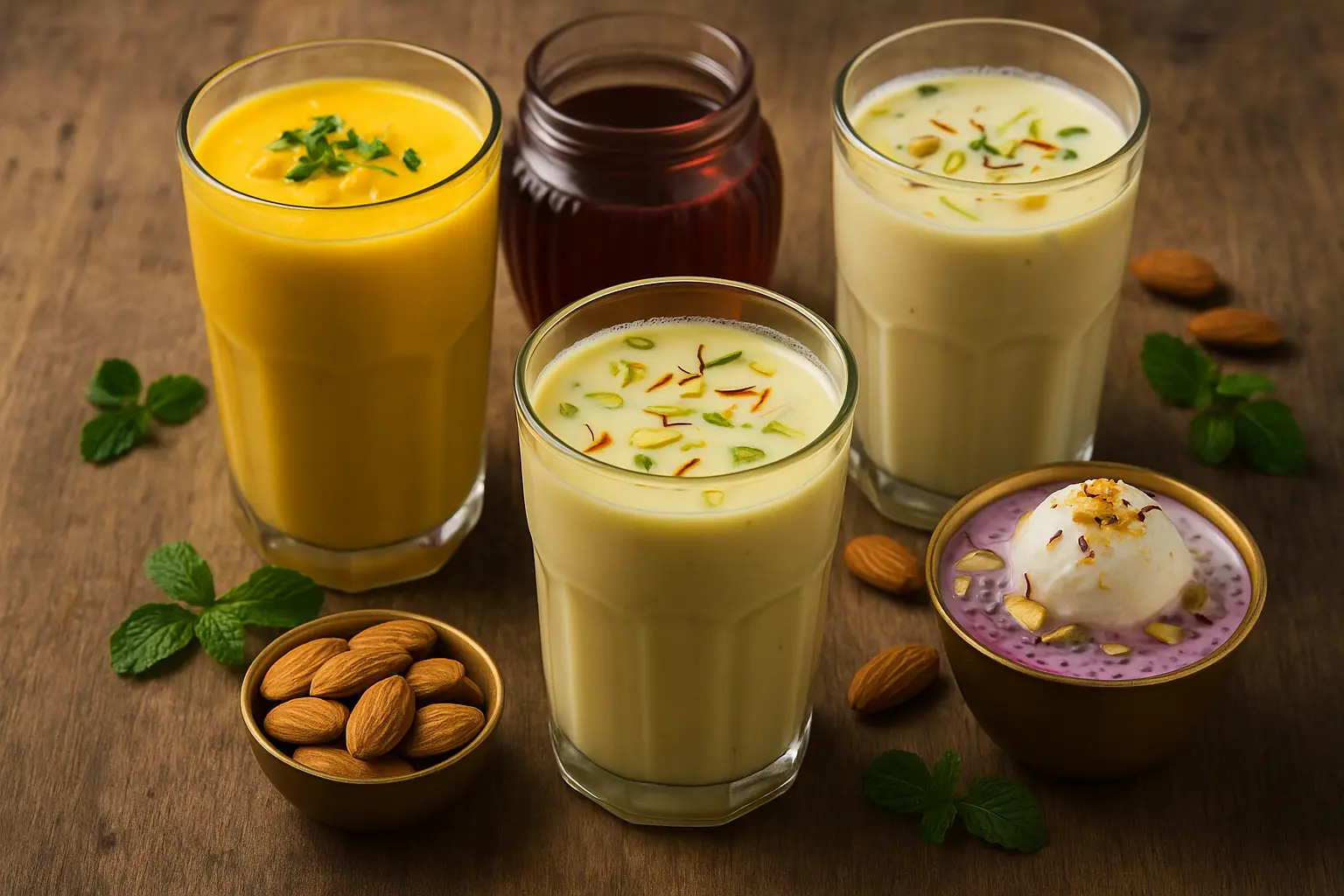
Rich with almonds, saffron, and cardamom, this festive drink is popular during Diwali, Karva Chauth, and Navratri. Served hot or cold, it signifies prosperity and is a common ritual offering.
5. Falooda
A layered dessert-drink made with vermicelli, rose syrup, sabja (basil) seeds, and milk. Topped with ice cream, falooda is a showstopper at Iftar parties and weddings.
6. Jaljeera
A tangy-spicy cumin drink, often served as a digestive during summer festivals and weddings. Its zesty flavor refreshes palates after heavy festive meals.
Festive Mocktails – The Modern Indian Twist
With increasing health awareness and diverse tastes, mocktails have become a festive trend. They combine Indian flavors with international mixology, ensuring celebrations feel contemporary while staying alcohol-free.
1. Mango Mojito (Non-Alcoholic)
- Ingredients: Fresh mango pulp, lime, mint, soda.
- Why festive? Mango is India’s king of fruits, celebrated during summer festivals like Gudi Padwa and Akshaya Tritiya.
2. Pomegranate Sparkler
- Ingredients: Pomegranate juice, lemon, soda, mint.
- Why festive? Red symbolizes prosperity, making it apt for Diwali and Christmas.
3. Coconut Water Cooler
- Ingredients: Tender coconut water, lemon juice, mint.
- Perfect for South Indian festivals like Onam, keeping the tropical vibe alive.
4. Spiced Apple Punch
- Ingredients: Apple juice, cinnamon, star anise.
- Ideal for winter festivals like Diwali and Christmas.
5. Rose Lemonade
- Ingredients: Rose syrup, fresh lemon juice, soda.
- Served during Eid and weddings as a fragrant, cooling drink.
Ingredient Spotlight in Festive Drinks
- Spices: Cardamom, saffron, fennel, cinnamon – each adds aroma and digestive benefits.
- Nuts & Seeds: Almonds, pistachios, sabja seeds – provide richness and cooling properties.
- Fruits: Mango, pomegranate, lemon – seasonal, vibrant, and nutrient-rich.
- Herbs: Mint, basil – refreshing and light on the stomach.
How to Create a Festive Drinks Menu
When planning for Diwali, Holi, Eid, or weddings, a drinks table can be the centerpiece. Here’s how:
- Offer a mix of traditional & modern: Keep thandai alongside mango mojito.
- Colorful presentation: Use saffron-gold, rose-red, and green mint to mirror festive colors.
- Serve in creative glassware: Copper tumblers, earthen pots, or mason jars.
- Balance flavors: Include sweet, tangy, and spiced options to cater to all guests.
Healthier Festive Drink Options
Many people today look for festive joy without excess sugar. Health-friendly twists include:
- Using honey, jaggery, or stevia instead of refined sugar.
- Incorporating fresh fruit juices instead of syrups.
- Plant-based options like almond milk or oat milk for vegan celebrations.
Festival-by-Festival Drinks Guide
Holi
- Thandai, Lassi, Jaljeera, Rose Lemonade.
Diwali
- Kesar Doodh, Spiced Apple Punch, Falooda.
Eid
- Rooh Afza Sharbat, Pomegranate Sparkler, Falooda with dates.
Onam
- Coconut Cooler, Banana Smoothie, Butter Milk (sambaram).
Weddings
- Mango Mocktail, Badam Milk, Rose Sharbat.
Tips for Hosting with Festive Drinks
- Prep in advance: Concentrates like rose syrup, thandai paste can be made earlier.
- Mocktail counters: Let guests mix flavors.
- Keep inclusive: Offer vegan and sugar-free options.
- Pair with snacks: Serve jaljeera with samosas, falooda with biryani, thandai with gujiyas.
Conclusion
Indian festive drinks and mocktails are more than beverages—they’re cultural experiences. From thandai that cools your Holi celebrations to a sparkling pomegranate mocktail at Diwali dinners, these drinks bind families, add joy to gatherings, and represent the heart of Indian hospitality.
So next festival season, go beyond just sweets and savory dishes—curate a colorful, refreshing drinks menu that everyone will remember.

Leave a comment
Your email address will not be published. Required fields are marked *