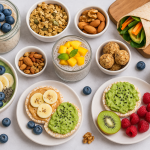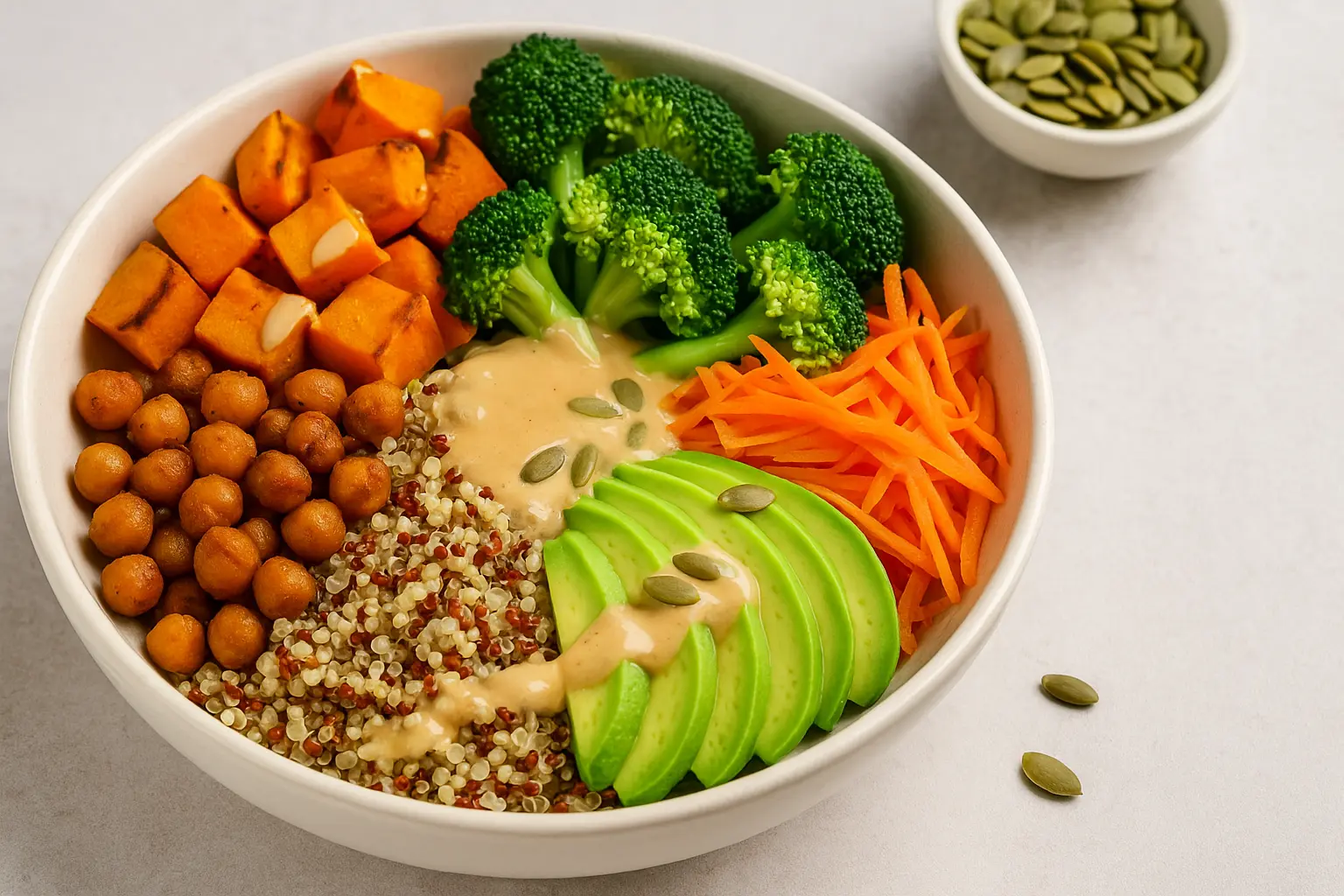
Buddha Bowls have become a global food trend, celebrated for their vibrant appearance, nutritional balance, and endless versatility. At their core, Buddha Bowls are wholesome, one-bowl meals typically consisting of:
- A base of whole grains or greens
- A mix of raw and cooked vegetables
- A protein source (often plant-based)
- Healthy fats
- A flavorful dressing or sauce
The name “Buddha Bowl” is often said to come from the round, full shape of the bowl resembling Buddha’s belly, but many believe it’s also about mindfulness — creating a meal that nourishes the body and soul.
Unlike fad diets or rigid meal plans, Buddha Bowls are flexible. You can adapt them for vegan, gluten-free, keto, or high-protein diets. They are also fantastic for meal prep, as you can prepare the components ahead of time and mix them in endless ways during the week.
In this guide, we’ll explore everything you need to know about creating Healthy Buddha Bowls — from choosing the right ingredients and balancing nutrients to exploring global variations and practical tips for meal prep.
Why Choose Buddha Bowls for Balanced Eating?
Balanced eating is about more than just calories — it’s about fueling your body with a variety of nutrients. Buddha Bowls embody this perfectly:
- Nutritional Diversity
Each bowl combines proteins, carbohydrates, healthy fats, and fiber-rich vegetables. This ensures you’re covering multiple food groups in one sitting. - Customizable to Dietary Needs
Whether you’re vegan, gluten-free, or on a high-protein diet, Buddha Bowls can be tailored easily. - Encourages Mindful Eating
The colorful presentation makes meals visually appealing, encouraging slower, more mindful eating. - Perfect for Meal Prep
You can batch-cook grains, roast veggies, and prepare dressings in advance. When it’s time to eat, assemble in minutes. - Supports Weight Management
High fiber content keeps you full longer, reducing unnecessary snacking.
Core Components of a Healthy Buddha Bowl
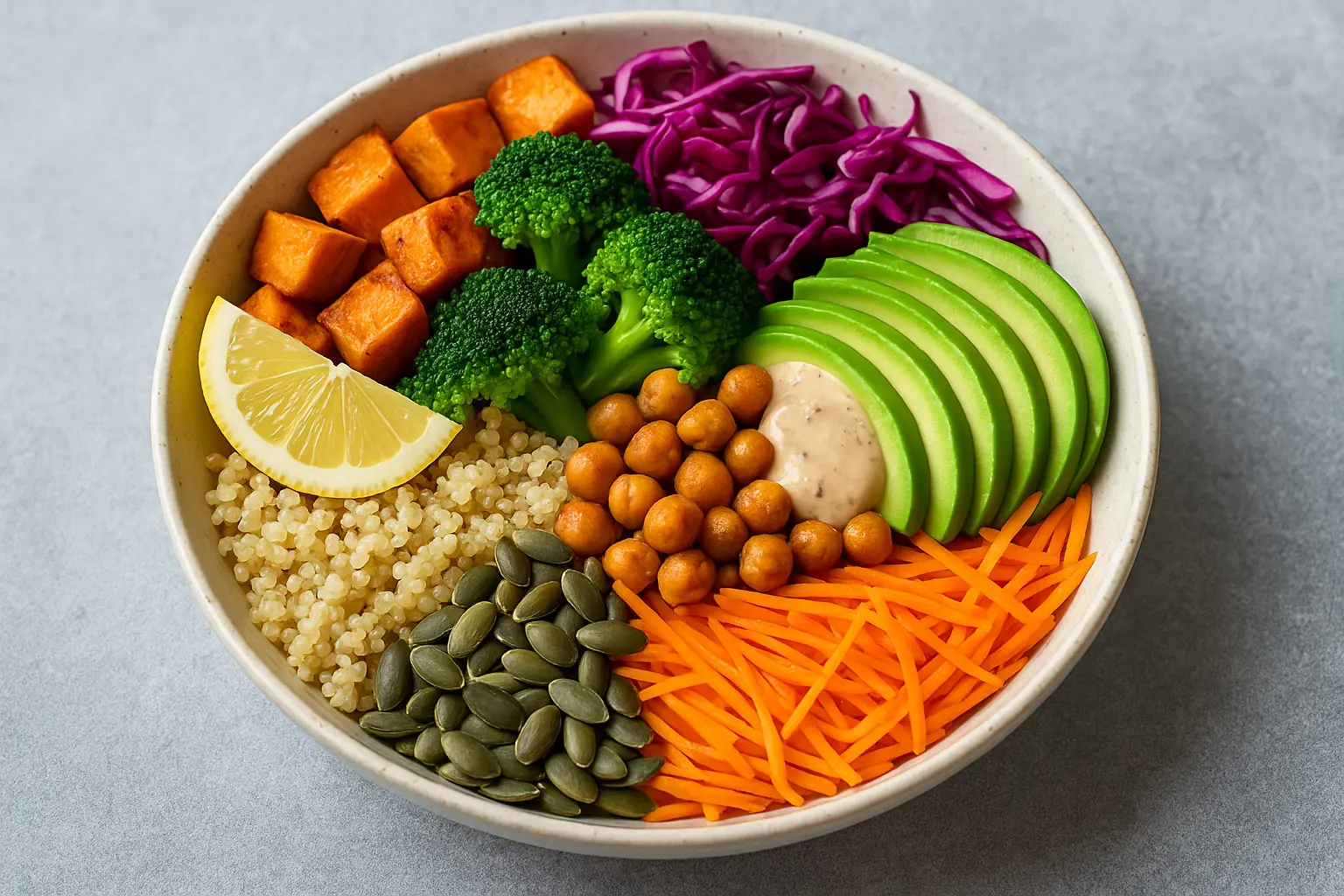
To build a balanced Buddha Bowl, think of it in layers:
1. The Base: Grains or Greens
Your base is the foundation, providing fiber and slow-digesting carbs for energy.
- Whole grains: quinoa, brown rice, farro, millet, barley, or bulgur
- Leafy greens: spinach, kale, arugula, mixed lettuce, or cabbage
- Low-carb options: cauliflower rice, zucchini noodles
2. Protein Power
Protein helps repair muscles, boost satiety, and balance blood sugar. For plant-based Buddha Bowls, try:
- Legumes: chickpeas, black beans, lentils, edamame
- Soy-based: tofu, tempeh, soy curls
- Nuts & seeds: hemp seeds, pumpkin seeds, almonds
- Other: seitan, plant-based meat substitutes
3. Vibrant Vegetables
This is where your Buddha Bowl shines. Include a mix of raw, roasted, or steamed vegetables for texture and nutrients.
- Raw: cucumber, bell peppers, carrots, cherry tomatoes, radish
- Roasted: sweet potato, Brussels sprouts, cauliflower, broccoli
- Fermented: kimchi, sauerkraut for probiotics
4. Healthy Fats
Adding healthy fats keeps you satisfied and supports nutrient absorption.
- Avocado slices
- Tahini or nut butter sauces
- Olive oil or sesame oil
- Chopped nuts or seeds
5. Dressings & Sauces
The magic of a Buddha Bowl often lies in its dressing. A good sauce ties all elements together. Examples:
- Tahini-lemon dressing
- Peanut satay sauce
- Cilantro-lime dressing
- Miso-ginger dressing
Buddha Bowl Nutritional Breakdown
A typical well-balanced Buddha Bowl should aim for:
- 40–50% vegetables
- 25–30% whole grains or starchy base
- 20–25% protein
- 5–10% healthy fats
This balance ensures energy, satiety, and micronutrient variety.
Popular Buddha Bowl Variations
Let’s explore some global-inspired Buddha Bowls you can easily make at home:
1. Mediterranean Buddha Bowl
- Base: quinoa or couscous
- Protein: roasted chickpeas or falafel
- Veggies: cucumber, cherry tomatoes, olives, roasted zucchini
- Fats: hummus, olive oil drizzle
- Dressing: lemon-tahini
2. Asian-Inspired Bowl
- Base: brown rice or soba noodles
- Protein: tofu or tempeh with soy sauce
- Veggies: steamed broccoli, shredded cabbage, edamame
- Fats: sesame seeds, peanut butter sauce
- Dressing: ginger-miso
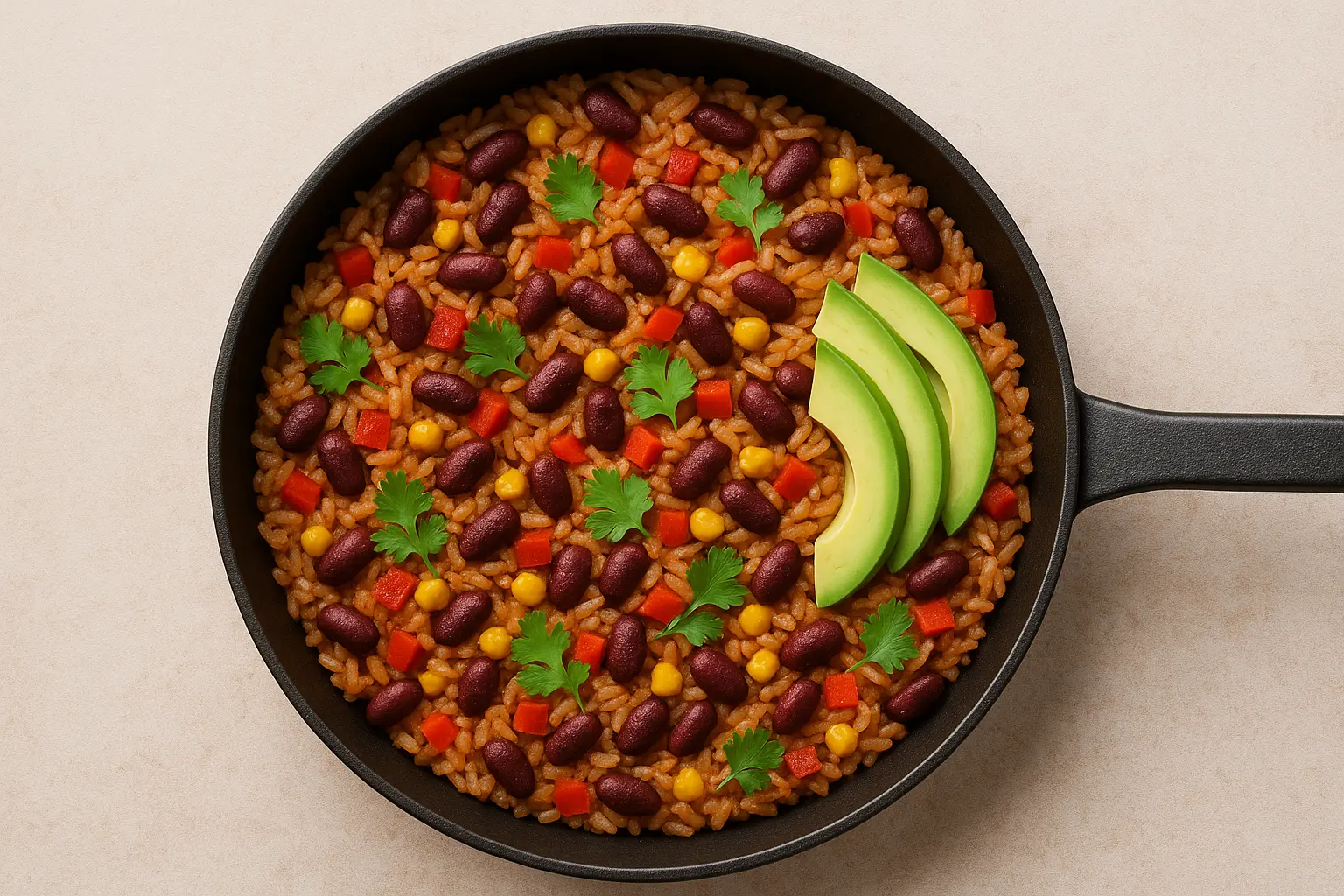
3. Mexican Buddha Bowl
- Base: brown rice or cauliflower rice
- Protein: black beans or grilled tofu
- Veggies: corn, bell peppers, salsa, avocado
- Fats: guacamole
- Dressing: cilantro-lime
4. Middle Eastern Bowl
- Base: bulgur or lentil pilaf
- Protein: falafel or lentils
- Veggies: roasted eggplant, tomato, cucumber
- Fats: tahini
- Dressing: garlic-yogurt (vegan yogurt for dairy-free)
5. Breakfast Buddha Bowl
- Base: oats, quinoa, or smoothie base
- Protein: chia pudding, nut butter, or soy yogurt
- Veggies/Fruit: berries, banana, spinach
- Fats: almond butter, flaxseeds
- Dressing: drizzle of maple syrup or date paste
Step-by-Step Recipe: Vegan Buddha Bowl
Here’s a practical recipe you can try:
Ingredients (serves 2):
- 1 cup cooked quinoa
- 1 cup roasted sweet potato (cubed)
- 1 cup steamed broccoli
- ½ cup shredded carrots
- ½ cup roasted chickpeas
- ½ avocado, sliced
- 2 tbsp pumpkin seeds
- Dressing: 2 tbsp tahini, juice of 1 lemon, 1 tsp maple syrup, water to thin
Instructions:
- Cook quinoa according to package instructions.
- Roast sweet potato cubes at 200°C for 20–25 minutes with olive oil, salt, and paprika.
- Roast chickpeas until crispy.
- Steam broccoli lightly to retain crunch.
- Arrange quinoa in a bowl, top with sweet potato, broccoli, carrots, chickpeas, and avocado.
- Sprinkle pumpkin seeds.
- Whisk tahini, lemon, maple syrup, and water until creamy. Drizzle on top.
Meal Prep Tips for Buddha Bowls
- Batch Cook Grains: Cook large portions of quinoa, rice, or millet. Store in the fridge for up to 5 days.
- Roast Veggies Ahead: Roast a tray of mixed vegetables at once and use them throughout the week.
- Prepare Proteins: Cook chickpeas or marinate tofu ahead of time.
- Store Dressings Separately: Keep sauces in airtight jars; drizzle fresh when eating.
- Use Compartment Containers: Perfect for keeping elements fresh until assembled.
How Buddha Bowls Support Lifestyle Goals
For Weight Loss
Low-calorie but nutrient-dense, Buddha Bowls help reduce cravings. Choose leafy greens as a base and lean proteins like lentils or tofu.
For Muscle Building
Boost protein with tempeh, quinoa, edamame, and hemp seeds. Add nut-based dressings for healthy fats.
For Gut Health
Incorporate fermented foods like kimchi or sauerkraut, and fiber-rich veggies for better digestion.
For Busy Professionals
Prepped components make it easy to assemble nourishing meals in minutes, reducing reliance on takeout.
Frequently Asked Questions
1. Can I make Buddha Bowls gluten-free?
Yes — choose gluten-free grains like quinoa, rice, or millet.
2. Are Buddha Bowls only vegan?
No, but they’re often plant-based. You can add eggs, grilled chicken, or fish if preferred.
3. How do I make my bowl more filling?
Include protein (tofu, beans), complex carbs (sweet potato, quinoa), and healthy fats (avocado, tahini).
4. Can Buddha Bowls be eaten cold?
Absolutely! Many are designed for no-cook lunches, though some prefer a warm grain or roasted veggie base.
Conclusion: Eat the Rainbow, Nourish Your Body
Healthy Buddha Bowls are more than just trendy Instagram meals — they’re a practical way to bring balance, variety, and creativity into everyday eating. With a thoughtful combination of grains, vegetables, proteins, fats, and dressings, these bowls can be adapted endlessly to match your mood, season, or dietary goals.
Whether you’re meal prepping for a busy week, looking for a vibrant dinner, or simply wanting to improve your nutrition, Buddha Bowls are a nourishing, colorful, and satisfying choice.
So the next time you want a wholesome meal, remember: balance your base, protein, veggies, fats, and sauce — and you’ve got a Buddha Bowl masterpiece.

Leave a comment
Your email address will not be published. Required fields are marked *