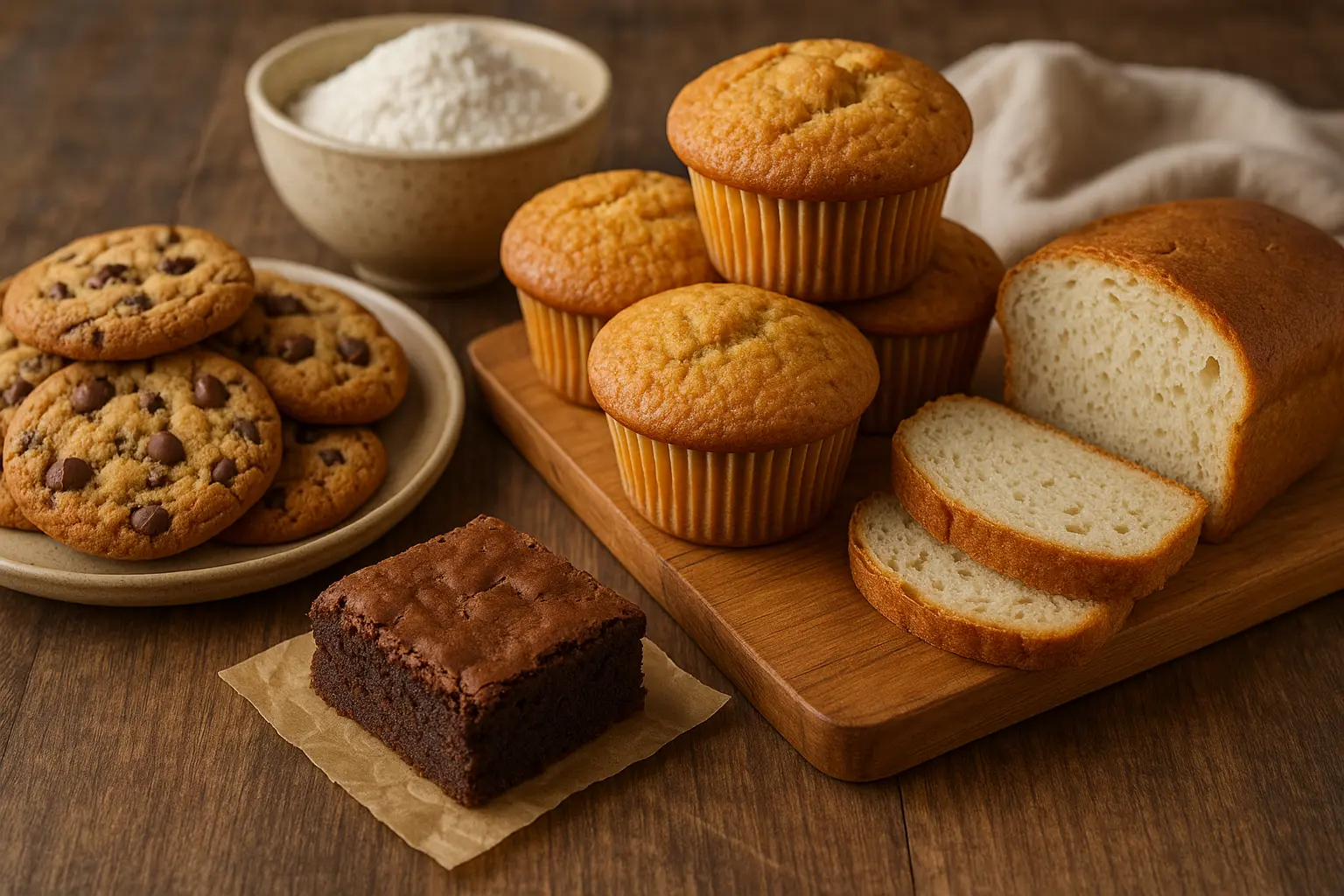
For decades, baking has been rooted in the tradition of wheat flour. Whether it’s fluffy bread, chewy cookies, or tender cakes, gluten has always been the hero behind the scenes. It’s the protein that creates structure, elasticity, and that satisfying bite we all love. But what happens when gluten is removed?
Enter gluten-free baking—a culinary revolution born from necessity and now embraced by millions worldwide. For those with celiac disease, gluten sensitivity, or lifestyle preferences, baking without gluten is not just a trend—it’s essential. The challenge? Replacing gluten without sacrificing taste, texture, or the joy of biting into a freshly baked treat.
The good news is that gluten-free baking has come a long way. Thanks to innovative flours, creative blends, and clever baking science, you can now create desserts and breads that are virtually indistinguishable from their wheat-based counterparts. In this guide, we’ll explore everything from essential gluten-free flours to foolproof recipes, baking tips, and flavor secrets that ensure you never feel like you’re missing out.
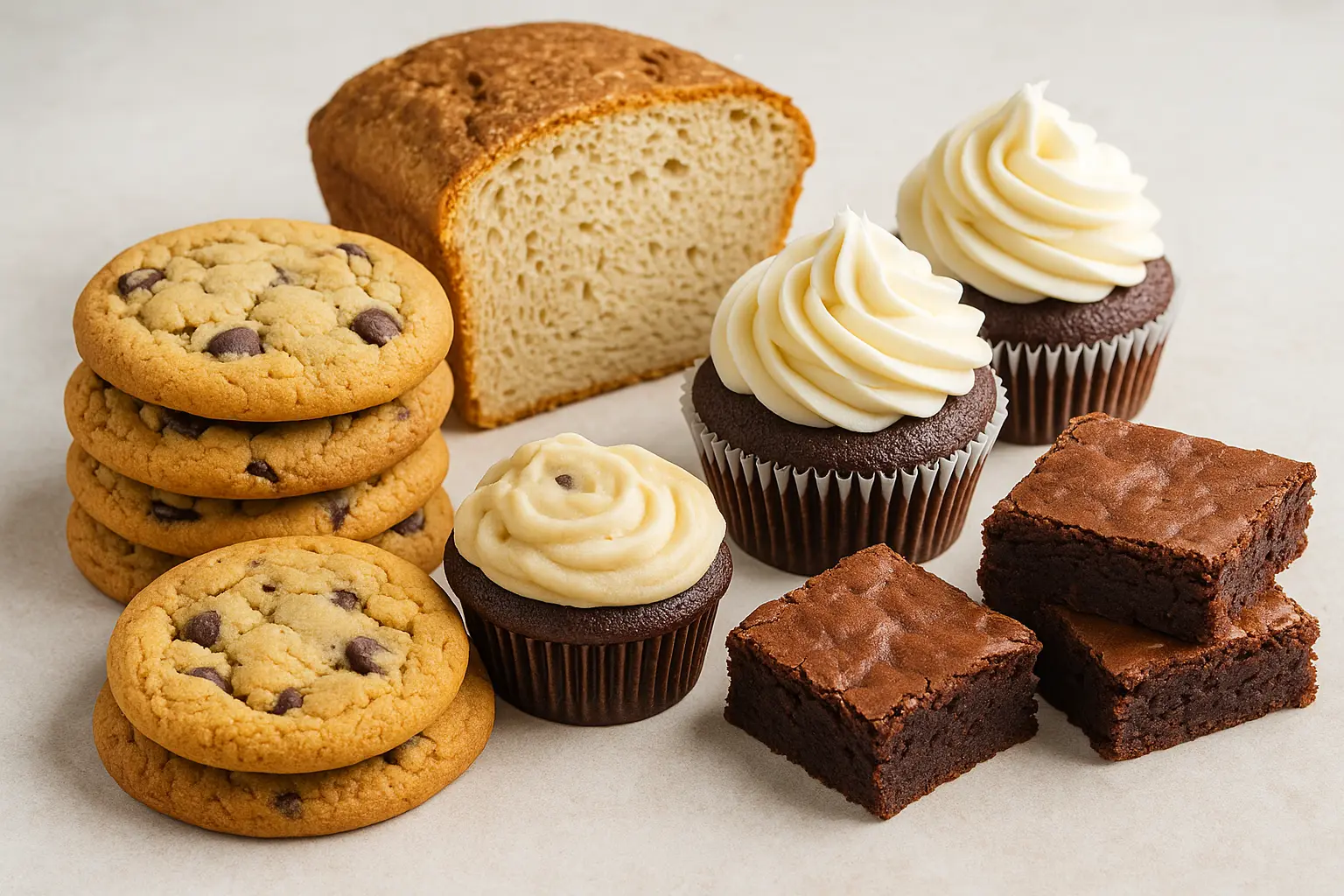
Understanding Gluten-Free Baking
What Is Gluten, and Why Is It Important?
Gluten is a protein found in wheat, barley, and rye. In baking, it acts like a glue—providing elasticity in dough, helping it trap air, and giving baked goods structure. Without gluten, breads can collapse, cakes can crumble, and cookies may turn gritty.
The challenge of gluten-free baking is to mimic those properties using alternative ingredients. This often means blending different flours, starches, and binders to achieve the same results.
Common Challenges in Gluten-Free Baking
- Texture Issues: Crumbly, dry, or gummy textures are common pitfalls.
- Flavor Gaps: Some gluten-free flours can taste earthy or bitter.
- Rise & Structure: Achieving fluffy cakes or chewy breads can be tricky.
- Moisture Retention: Gluten-free baked goods can dry out faster.
Fortunately, each of these challenges has a solution—and you’ll find them throughout this article.
Essential Gluten-Free Flours & Ingredients
The key to successful gluten-free baking is the right mix of flours. Here are the most popular and effective ones:
1. Rice Flour
- Neutral in flavor.
- Great base for cookies, cakes, and muffins.
- Best combined with starches for lighter textures.
2. Almond Flour
- Adds richness, moisture, and a nutty flavor.
- Perfect for cakes, brownies, and tart crusts.
- High in protein and healthy fats.
3. Coconut Flour
- Extremely absorbent—requires more liquid or eggs.
- Adds subtle sweetness and fiber.
- Great for dense treats like pancakes and quick breads.
4. Oat Flour (Gluten-Free Certified)
- Soft, mild, slightly nutty.
- Works well in muffins, cookies, and snack bars.
- Adds chewiness and fiber.
5. Tapioca & Arrowroot Starch
- Provide chew and elasticity.
- Useful for binding and giving baked goods a “springy” texture.
6. Chickpea Flour
- Dense, earthy flavor.
- Excellent for savory bakes like flatbreads or crackers.
7. Gluten-Free Flour Blends
Many brands now sell pre-mixed blends designed to mimic all-purpose flour. These are perfect for beginners and often include xanthan gum or guar gum as binders.
Tips for Perfect Gluten-Free Baking
- Mix Flours for Balance: Rarely does one flour do the job. Combining flours creates depth of flavor and texture.
- Add a Binder: Xanthan gum, psyllium husk, flaxseed meal, or chia seeds can replace gluten’s binding effect.
- Increase Hydration: Gluten-free flours absorb more liquid—don’t be afraid to add extra milk, oil, or eggs.
- Rest the Batter/Dough: Allowing it to hydrate before baking improves texture.
- Don’t Overmix: Unlike wheat flour, gluten-free batters don’t get tough from mixing. But too much air can make them collapse.
- Use the Right Pan Size: Gluten-free batters may rise differently—stick to tested pan sizes.
Gluten-Free Baking Recipes That Truly Shine
Below are tested and loved recipes that prove gluten-free doesn’t mean compromise.
🍪 Recipe 1: Chewy Gluten-Free Chocolate Chip Cookies
Ingredients:
- 1 cup almond flour
- 1 cup gluten-free oat flour
- ½ cup tapioca starch
- ½ tsp baking soda
- ½ tsp sea salt
- ½ cup butter (or coconut oil), melted
- ¾ cup brown sugar
- 1 egg (or flax egg)
- 1 tsp vanilla extract
- 1 cup dark chocolate chips
Instructions:
- Preheat oven to 180°C (350°F). Line a tray with parchment.
- Whisk flours, starch, baking soda, and salt.
- In another bowl, mix butter, sugar, egg, and vanilla.
- Combine wet and dry ingredients; fold in chocolate chips.
- Scoop dough onto tray and bake 10–12 minutes.
- Cool slightly for chewy perfection.
Taste Promise: Crisp edges, gooey centers—indistinguishable from classic cookies.
🍰 Recipe 2: Fluffy Gluten-Free Vanilla Cupcakes
Ingredients:
- 1 ½ cups gluten-free all-purpose blend
- 1 tsp xanthan gum (if not included)
- 1 tsp baking powder
- ½ tsp baking soda
- ¼ tsp salt
- ½ cup unsalted butter, softened
- ¾ cup sugar
- 2 eggs
- 1 tsp vanilla extract
- ¾ cup milk (dairy or plant-based)
Instructions:
- Preheat oven to 175°C (350°F). Line a cupcake tray.
- Beat butter and sugar until fluffy. Add eggs and vanilla.
- Mix dry ingredients separately, then combine with wet.
- Add milk slowly until batter is smooth.
- Fill liners ⅔ full; bake 18–20 minutes.
Taste Promise: Light, moist, and perfect for frosting.
🍞 Recipe 3: Rustic Gluten-Free Bread
Ingredients:
- 2 cups brown rice flour
- 1 cup tapioca starch
- ½ cup sorghum flour
- 1 tbsp psyllium husk
- 2 tsp yeast
- 1 tsp salt
- 2 tbsp olive oil
- 1 tbsp honey
- 2 cups warm water
Instructions:
- Mix dry ingredients in a bowl.
- Stir in water, oil, and honey. Mix until thick and sticky.
- Cover and let rise for 1 hour.
- Transfer to greased loaf pan; bake at 200°C (400°F) for 35–40 minutes.
Taste Promise: Crisp crust, soft inside—great for sandwiches.
🍫 Recipe 4: Fudgy Gluten-Free Brownies
Ingredients:
- 1 cup almond flour
- ½ cup cocoa powder
- ½ cup butter (or coconut oil)
- 1 cup sugar
- 2 eggs
- 1 tsp vanilla
- Pinch of salt
Instructions:
- Preheat oven to 180°C (350°F). Line a square pan.
- Melt butter with sugar; whisk in eggs and vanilla.
- Stir in almond flour, cocoa, and salt.
- Pour into pan; bake 20–22 minutes.
Taste Promise: Dense, rich, and melt-in-your-mouth.
Beyond Sweets: Savory Gluten-Free Baking
While desserts often steal the spotlight, savory gluten-free baking is equally exciting:
- Pizza crusts made with cauliflower or almond flour.
- Savory muffins with cheese, herbs, and oat flour.
- Crackers from chickpea flour for snacking.
Expert Tricks for Maximum Flavor
- Toast Flours Lightly: Brings out nutty, rich flavors.
- Use Browned Butter: Adds depth and caramel notes.
- Balance Sweetness: Gluten-free flours often need slightly more sugar.
- Experiment with Extracts & Spices: Vanilla, almond, cinnamon, or citrus zest elevate flavor.
Storing Gluten-Free Baked Goods
- Store in airtight containers to prevent drying.
- Freeze extra portions—most gluten-free goods reheat well.
- Add a slice of apple or bread in containers to maintain moisture.
Conclusion: Baking Without Limits
Gluten-free baking no longer means dry muffins or bland bread. With the right ingredients, techniques, and recipes, you can enjoy baked goods that rival—or even surpass—the originals. Whether you’re baking for dietary needs or simply exploring healthier options, the possibilities are endless.
Every bite of a chewy cookie, fluffy cupcake, or rustic loaf is proof: flavor and satisfaction are never compromised.
So preheat your oven, grab your gluten-free flour, and start baking without limits!

Leave a comment
Your email address will not be published. Required fields are marked *