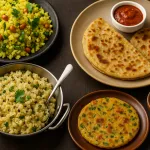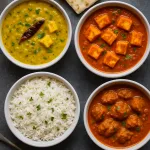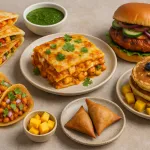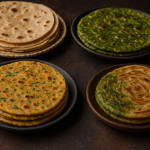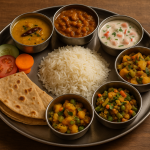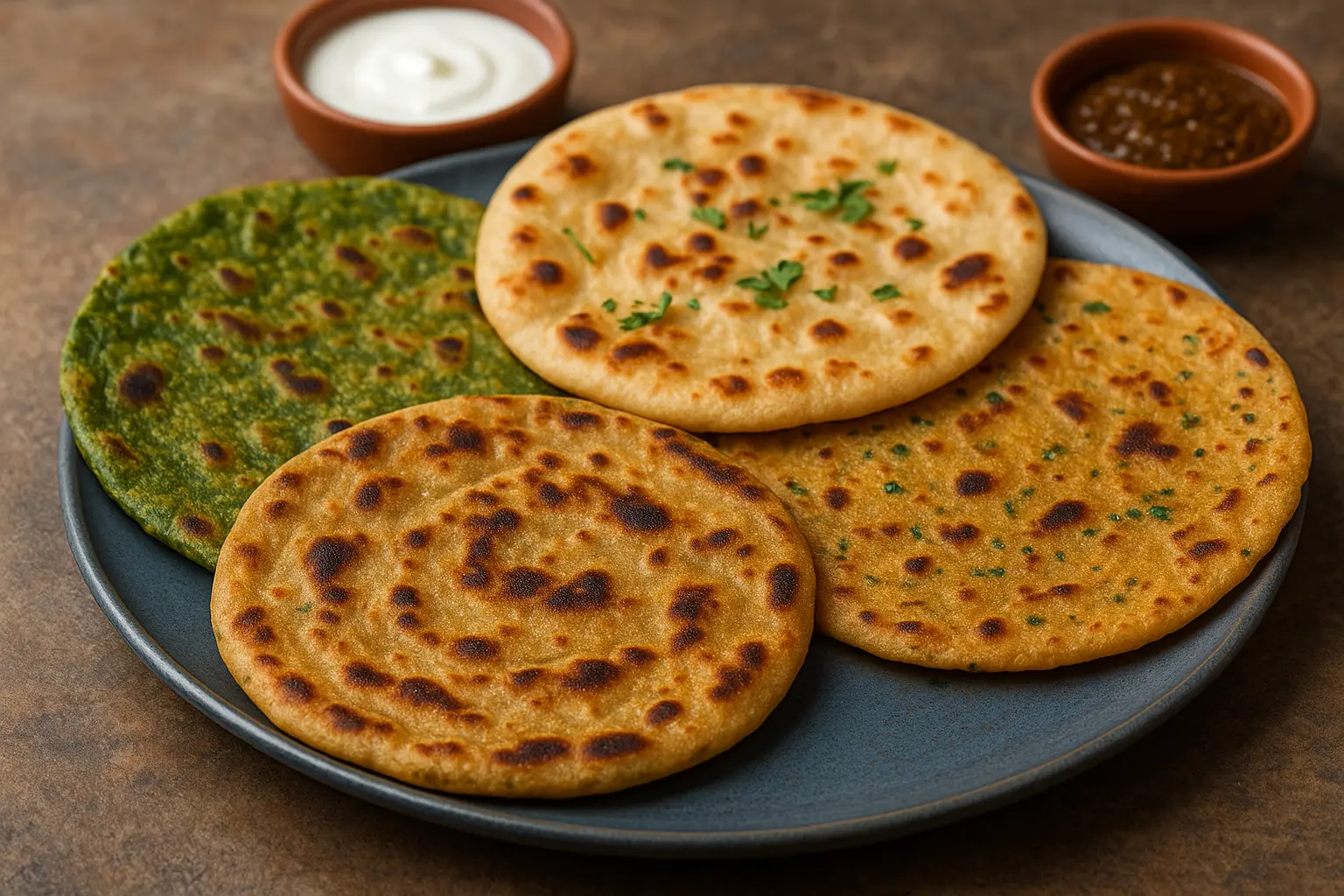
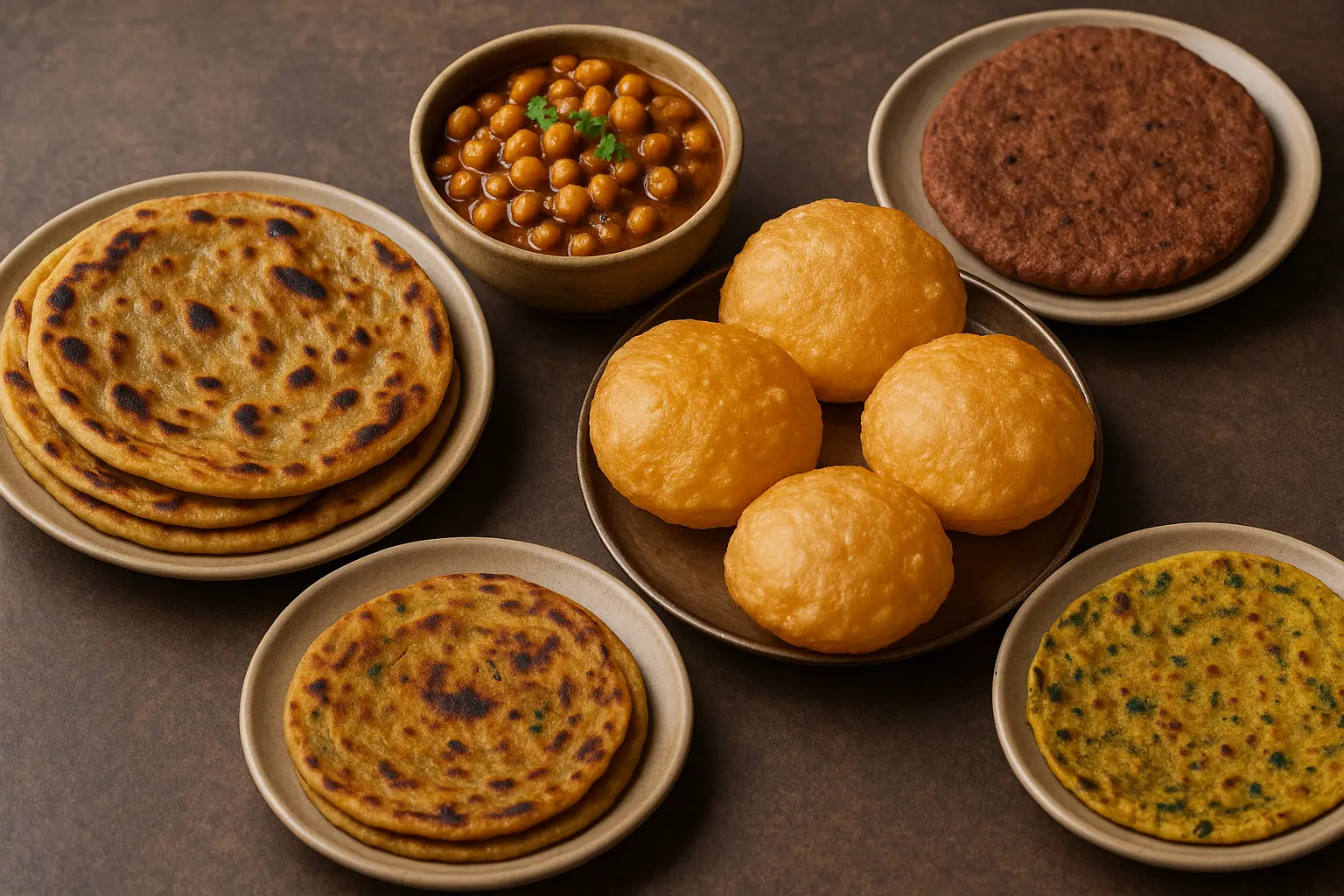
When people think of Indian bread, the humble chapati (or roti) often comes to mind. While it is the everyday staple in countless Indian households, Indian cuisine boasts an extraordinary variety of flatbreads—each with its own character, regional significance, and cooking style. These breads are deeply tied to culture and community: from the ghee-laden parathas of Punjab, to the puffed puris relished in Gujarat, to the fermented bhaturas paired with spicy chole in North India.
This article explores easy Indian flatbreads beyond chapati, providing detailed recipes, variations, cooking tips, and the cultural stories behind them. You’ll find stovetop-only recipes, making them practical for any home cook without the need for a traditional tandoor.
Why Explore Beyond Chapati?
While chapati is healthy, quick, and versatile, trying other Indian flatbreads offers:
- Variety in Taste & Texture: From crispy puris to stuffed parathas, there’s something for every craving.
- Nutritional Diversity: Adding breads made with lentils, semolina, or whole wheat enriches the diet.
- Cultural Experience: Many breads are tied to festivals and special occasions.
- Perfect Pairings: Some curries and sabzis shine best with specific breads—chole with bhatura, for example.
Essential Ingredients for Indian Flatbreads
Although recipes differ, most Indian breads share a common pantry base:
- Flour (Atta, Maida, Besan, Ragi, Bajra, Jowar): Choice of flour changes the flavor and texture.
- Fat (Ghee, Oil, Butter): Used in kneading or layering for softness and flakiness.
- Liquid (Water, Milk, Yogurt): To bind dough; yogurt and milk add richness.
- Salt & Seasonings: To balance taste.
- Leavening (Baking Powder, Yogurt, Fermentation): For breads like bhatura or naan.
Flatbreads to Try Beyond Chapati
1. Paratha – The Flaky, Layered Bread
Origin: North India (especially Punjab)
Highlights: Buttery, flaky, and versatile with endless stuffing options.
Types of Parathas:
- Plain Paratha: Rolled and folded with ghee/oil for layers.
- Stuffed Paratha: Filled with potato (aloo paratha), cauliflower (gobi paratha), paneer, radish (mooli), or lentils (dal paratha).
Basic Recipe:
- Mix wheat flour, salt, and water to knead a soft dough.
- Rest 20 minutes.
- Roll out, apply ghee, fold, and roll again.
- Cook on a hot tava with ghee until golden brown spots appear.
Pro Tip:
For softer parathas, add a spoonful of yogurt to the dough.
2. Puri – The Festive Puffed Bread
Origin: Pan-India, especially festive meals.
Highlights: Deep-fried, puffed, golden bread served with curries.
How to Make:
- Knead whole wheat flour with salt, a little oil, and water into a stiff dough.
- Roll into small discs.
- Deep-fry in hot oil until they puff up.
Popular Combinations:
- Puri with Aloo Sabzi: A Sunday brunch favorite.
- Halwa-Puri: A festive sweet-savory combo.
3. Bhatura – The Puffy Fermented Delight
Origin: Punjab, paired with chole (chickpeas).
Highlights: Soft, fluffy, slightly tangy due to fermentation.
Recipe:
- Mix maida (all-purpose flour) with yogurt, salt, sugar, and baking powder.
- Knead into a dough and let it rest for 2–3 hours.
- Roll into large discs and deep-fry until puffed.
Why Try It:
A treat bread, bhatura is indulgent and festive, best enjoyed fresh.
4. Thepla – Gujarat’s Spiced Flatbread
Origin: Gujarat
Highlights: Thin, spiced bread, great for travel and storage.
Recipe:
- Mix wheat flour, besan, turmeric, chili powder, fenugreek leaves (methi), and yogurt.
- Roll thin and cook on a tava with oil.
Best With:
Yogurt, pickle, or chai.
5. Kulcha – The Stuffed Tandoori Alternative
Origin: Punjab, also popular in Delhi.
Highlights: Traditionally tandoor-baked, but stovetop methods work.
Recipe:
- Knead flour with yogurt and baking powder.
- Rest for 2 hours.
- Roll and stuff with potato, onion, or paneer.
- Cook on tava, covered with a lid for steam.
6. Missi Roti – Nutty & Spiced
Origin: Punjab & Haryana
Highlights: Made with whole wheat and gram flour (besan), spiced with ajwain, chili, and onion.
Recipe:
- Mix wheat flour, besan, spices, onion, and coriander leaves.
- Roll into medium-thick discs.
- Cook on a hot tava with ghee until crisp.
7. Makki ki Roti – The Winter Specialty
Origin: Punjab (paired with Sarson ka Saag).
Highlights: Cornmeal flatbread, rustic and earthy.
Recipe:
- Mix cornmeal with warm water and a little wheat flour.
- Pat into discs (difficult to roll).
- Cook on tava with ghee.
8. Ragi Roti – The Healthy Millets Option
Origin: Karnataka
Highlights: Gluten-free, nutritious, and filling.
Recipe:
- Mix ragi flour with chopped onions, green chilies, and curry leaves.
- Pat into thin discs on a greased surface.
- Cook on tava with oil.
Cooking Tips for Perfect Indian Flatbreads
- Resting the Dough: Improves elasticity.
- Rolling Evenly: Prevents uneven cooking.
- Heat Control: High heat for puffing (puri), medium for layered breads (paratha).
- Storage: Wrap in a clean cloth to keep breads soft.
Pairing Indian Flatbreads with Curries
- Paratha: Best with raita, butter chicken, dal makhani.
- Puri: Perfect with potato curry or halwa.
- Bhatura: Must-have with chole.
- Thepla: Works with achar (pickle).
- Makki ki Roti: Traditional with saag.
Street Food Inspirations
Many of these flatbreads double up as the base for street foods:
- Kathi Rolls: Parathas stuffed with spiced fillings.
- Chole Bhature: A Delhi street classic.
- Kulcha Chole: A Punjabi street favorite.
Flatbreads for Special Occasions
- Festivals: Puri during Diwali, Holi.
- Weddings: Stuffed kulchas.
- Winter: Makki ki roti with saag.
Health Angle: Whole Grains & Millets
Modern Indian households are reintroducing millets for health benefits. Ragi, bajra, and jowar rotis are gluten-free alternatives and rich in calcium, iron, and fiber.
Conclusion
Indian flatbreads are a treasure trove of flavors and textures. Moving beyond chapati opens up a world of culinary experiences—from indulgent bhaturas to wholesome ragi rotis. These stovetop breads are practical for everyday cooking and special occasions alike.

Leave a comment
Your email address will not be published. Required fields are marked *