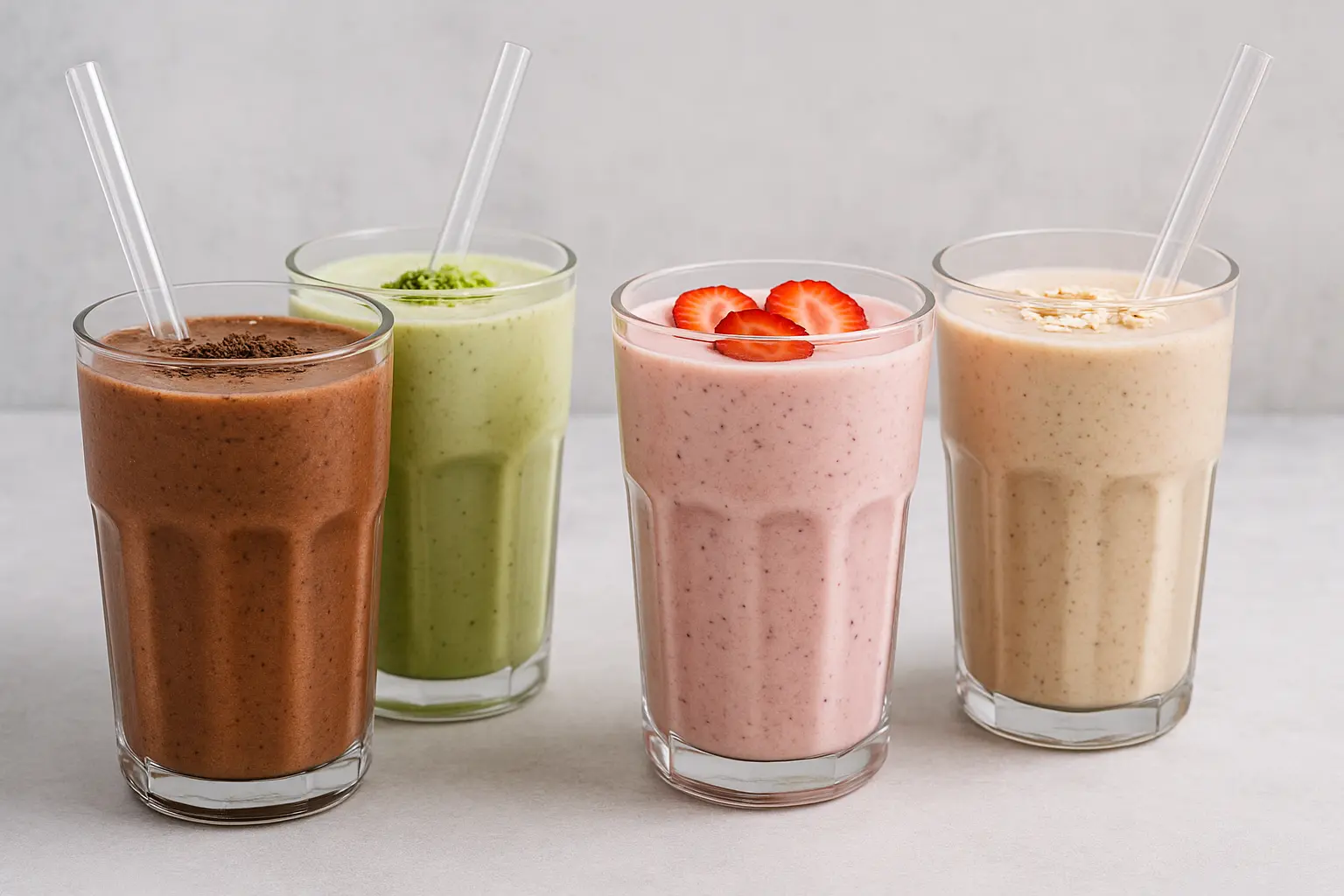
Smoothies are often seen as the ultimate health drink, but many store-bought or café versions are loaded with hidden sugars, fruit juices, or syrups that can spike blood glucose levels. For people managing diabetes—or anyone aiming for better health—sugar-free, nutrient-rich smoothies can be an excellent way to enjoy refreshing beverages without compromising wellness.
In this detailed guide, we’ll explore how to make diabetic-friendly smoothies without added sugar, including tips, ingredients to use (and avoid), recipe variations, nutrition insights, and lifestyle pairing. Whether you’re newly diagnosed, a seasoned smoothie lover, or simply looking for balanced nutrition, this article will walk you through everything you need to know.
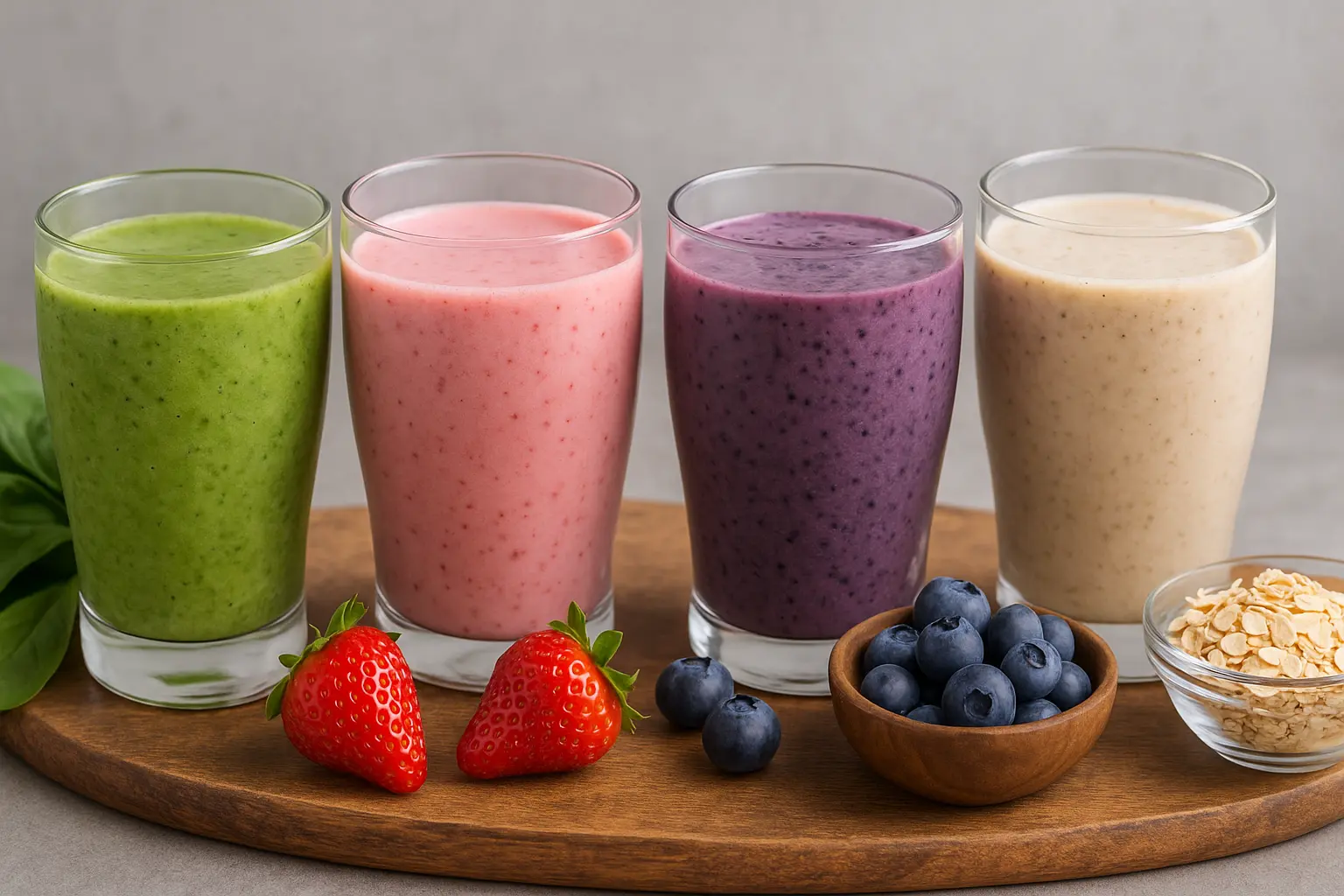
Why Smoothies for Diabetics?
Diabetes management revolves around balancing blood sugar levels, which means paying close attention to carbohydrate intake, fiber content, and overall nutrition. Smoothies, when made thoughtfully, can provide:
Fiber for blood sugar control – Whole fruits, leafy greens, and seeds slow digestion.
Healthy fats for satiety – Nut butters, avocado, and chia seeds help reduce sugar spikes.
Protein for balance – Yogurt, protein powders, or silken tofu stabilize energy release.
Vitamins and minerals – Smoothies are an easy way to pack in antioxidants and micronutrients.
The key is choosing low-glycemic ingredients and steering clear of added sugars and syrups.
The Role of Glycemic Index in Smoothies
The Glycemic Index (GI) measures how fast carbohydrates raise blood sugar. For diabetics, lower GI foods are preferred.
Low GI (good): Berries, leafy greens, oats, flaxseeds, nuts.
Moderate GI: Apples, pears, peaches, kiwi.
High GI (limit/avoid): Bananas (ripe), mango, pineapple, dates, fruit juice.
Blending high-GI fruits into smoothies without fiber or protein can cause sugar spikes. By pairing low-GI fruits with protein and healthy fat, smoothies can be both delicious and blood-sugar friendly.
Ingredients to Use in Diabetic-Friendly Smoothies
Fruits (Low to Moderate GI)
Berries (strawberries, blueberries, raspberries, blackberries) – Antioxidant-rich, low sugar.
Apples and pears – High in fiber; blend with skin for maximum benefit.
Cherries – Lower glycemic fruit option.
Kiwi and citrus (orange, grapefruit, lemon, lime) – Vitamin C boost.
Avocado – Technically a fruit, provides creaminess and healthy fat.
Vegetables
Leafy greens (spinach, kale, Swiss chard) – Low carb, nutrient dense.
Cucumber and celery – Hydrating and low-calorie.
Carrots and beets – Use in moderation; slightly higher natural sugar.
Protein Sources
Unsweetened Greek yogurt
Silken tofu
Unsweetened nut milks fortified with protein
Protein powders (unsweetened whey, pea, hemp, or soy)
Healthy Fats
Nut butters (almond, peanut, cashew – no added sugar)
Chia seeds, flaxseeds, hemp seeds
Avocado
Liquids
Unsweetened almond milk
Coconut water (sparingly, since it contains natural sugars)
Plain water with ice cubes
Flavor Boosters
Cinnamon (helps regulate blood sugar)
Ginger
Turmeric
Unsweetened cocoa powder
Vanilla extract
Ingredients to Avoid
Fruit juices (apple juice, orange juice, etc.) – spike blood sugar.
Flavored yogurt (often contains hidden sugars).
Sweetened protein powders.
Honey, agave syrup, maple syrup.
Ice cream or flavored milk.
10 Best Diabetic-Friendly Smoothie Recipes
Here are carefully crafted recipes—each naturally sugar-free, fiber-rich, and packed with nutrients.
1. Berry Almond Bliss Smoothie
1 cup unsweetened almond milk
½ cup frozen mixed berries
1 tbsp almond butter
1 tbsp ground flaxseed
½ tsp cinnamon
Benefits: High in antioxidants, fiber, and healthy fats.
2. Green Energy Smoothie
1 cup spinach
½ avocado
½ cucumber
½ green apple (with skin)
1 cup unsweetened soy milk
A squeeze of lemon
Benefits: Fiber-rich, hydrating, balances blood sugar.
3. Creamy Cocoa Protein Smoothie
1 cup unsweetened almond milk
1 tbsp unsweetened cocoa powder
½ frozen banana (use slightly green for lower GI)
1 scoop unsweetened protein powder
1 tsp chia seeds
Benefits: Chocolate taste without sugar; protein keeps energy stable.
4. Cinnamon Oat Breakfast Smoothie
½ cup rolled oats (soaked overnight)
1 cup unsweetened almond milk
½ green apple
½ tsp cinnamon
1 tbsp walnuts
Benefits: Slow-digesting carbs, perfect morning fuel.
5. Tropical Green Smoothie
½ cup frozen mango (small portion only)
1 cup spinach
½ avocado
1 cup unsweetened coconut milk
Fresh ginger
Benefits: Tropical flavor with balanced fat and fiber.
6. Citrus-Carrot Immunity Smoothie
½ orange (peeled, no juice)
½ cup grated carrot
1 tbsp chia seeds
1 cup unsweetened Greek yogurt
½ tsp turmeric
Benefits: Vitamin C, beta-carotene, and probiotics.
7. Choco-Avocado Power Smoothie
½ avocado
1 cup unsweetened almond milk
1 tbsp cocoa powder
1 tbsp peanut butter (no sugar)
Ice cubes
Benefits: Creamy texture, rich in good fats.
8. Berry-Chia Hydration Smoothie
1 cup water + ice
½ cup mixed berries
1 tbsp chia seeds (soaked)
½ cucumber
Mint leaves
Benefits: Light, hydrating, and refreshing.
9. Apple-Cinnamon Tofu Smoothie
1 cup unsweetened soy milk
½ green apple
½ cup silken tofu
½ tsp cinnamon
1 tbsp ground flaxseed
Benefits: Plant-based protein plus blood sugar–friendly spice.
10. Protein-Packed Peanut Butter Smoothie
1 cup unsweetened almond milk
1 tbsp peanut butter
1 scoop unsweetened protein powder
½ frozen zucchini (adds creaminess without sugar)
½ tsp vanilla extract
Benefits: High in protein, keeps you fuller longer.
Lifestyle Tips for Smoothie Success
1. Portion Control
Even low-sugar smoothies can raise blood sugar if portions are too large. Stick to 1–2 cups per serving.
2. Add Protein to Every Blend
Protein balances carbs and slows absorption. Always include yogurt, nut butter, or protein powder.
3. Use Smoothies as a Meal, Not a Snack
For diabetics, smoothies work best as meal replacements, not extras. Otherwise, calorie and carb intake can increase unintentionally.
4. Prepping Ahead
Freeze smoothie packs (fruit, veggies, seeds) in zip bags.
Blend fresh when ready with liquid and protein source.
5. Timing Matters
Drinking smoothies earlier in the day (breakfast or lunch) helps the body utilize carbs more effectively.
Nutrition Spotlight: Balancing Carbs, Protein, and Fats
A balanced diabetic-friendly smoothie should have:
Carbs (30–40%) – From low-GI fruits and vegetables.
Protein (20–30%) – From yogurt, tofu, or powders.
Fats (20–30%) – From nuts, seeds, avocado.
Fiber (5–10g) – Essential for slowing down sugar absorption.
Frequently Asked Questions
Q: Can diabetics use bananas in smoothies?
Yes, but in moderation. Use half a slightly green banana instead of ripe bananas to reduce sugar impact.
Q: Are smoothies better than juices for diabetics?
Absolutely. Smoothies retain fiber, which prevents rapid sugar spikes, unlike juices.
Q: Can smoothies replace medication or insulin?
No. Smoothies support nutrition but are not substitutes for medical treatment. Always follow your doctor’s plan.
Q: Can I drink smoothies daily?
Yes, if balanced and portion-controlled. Make sure each smoothie fits your daily carb allowance.
Conclusion
Smoothies don’t have to be sugar-laden treats—they can be nutritious, satisfying, and diabetic-friendly when crafted with the right ingredients. By focusing on low-GI fruits, vegetables, protein, and healthy fats, you can enjoy delicious blends that support stable blood sugar levels and overall well-being.
For diabetics and health-conscious eaters alike, these smoothie recipes offer endless possibilities to refresh, refuel, and reimagine healthy living.

Leave a comment
Your email address will not be published. Required fields are marked *