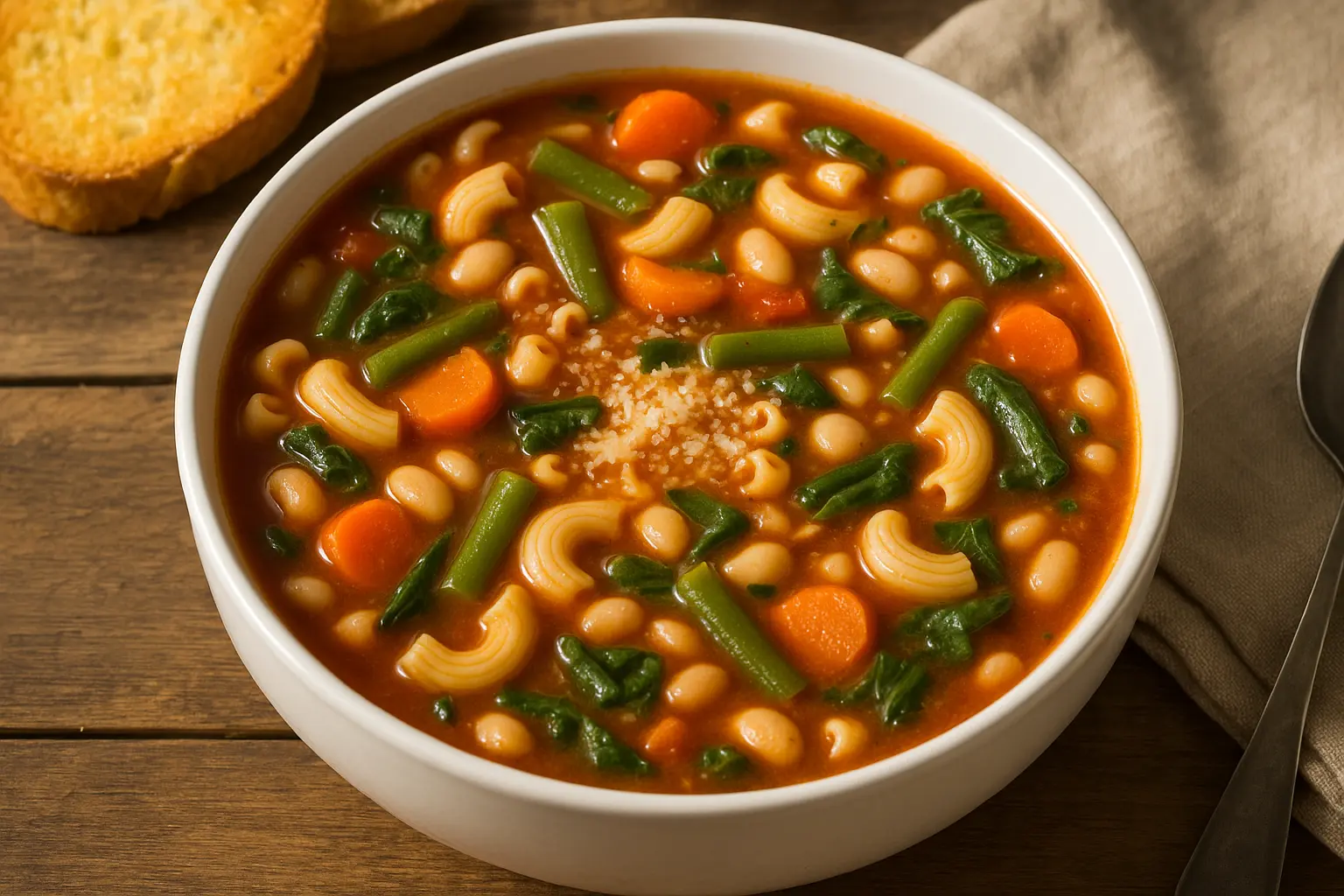
As soon as the days shorten and the evenings get brisk, one craving always seems to return: a warm, hearty bowl of soup. Among the many varieties, pasta soups stand out as a perfect balance between comfort and satisfaction. They combine the heartiness of pasta with the nourishment of vegetables, proteins, and flavorful broths, making them ideal for winter and chilly days.
This long-form guide will walk you through everything you need to know about pasta soups: the history, key ingredients, types of pasta to use, regional and global variations, detailed recipes, and tips for making them healthier, tastier, and freezer-friendly.
Why Pasta Soups Are the Perfect Winter Comfort Food
- Hearty and Filling: Pasta adds substance to soup, turning a light broth into a full meal.
- Versatile: You can create variations with vegetables, beans, meats, or seafood.
- Budget-Friendly: Pasta soups stretch simple ingredients into generous portions.
- Cultural Roots: From Italian minestrone to American chicken noodle, pasta soups are beloved across cuisines.
- Nostalgic: For many, a steaming bowl of noodle or pasta soup recalls family kitchens and cozy evenings.
The History of Pasta in Soups
Pasta has been incorporated into soups for centuries. In Italy, pasta e fagioli and minestrone were staples of peasant kitchens, where small scraps of pasta were simmered with beans and seasonal vegetables. Across Europe and Asia, variations of noodle soups grew into cultural icons—from chicken noodle soup in the West to ramen and pho in the East.
What sets pasta soups apart is their adaptability: whether you have a handful of broken spaghetti or specialty shapes like orzo or ditalini, there’s always a way to transform them into comfort in a bowl.
Choosing the Right Pasta for Soups
Not all pasta types behave the same way in broth. Here’s a breakdown:
- Small Shapes (Orzo, Ditalini, Stelline, Pastina): Perfect for light broths, kids’ soups, or delicate flavors.
- Medium Shapes (Elbows, Small Shells, Penne): Hold up well in heartier soups with beans and meats.
- Long Noodles (Spaghetti, Tagliatelle, Egg Noodles): Excellent for chicken noodle or Asian-inspired variations.
- Stuffed Pasta (Tortellini, Ravioli): Create indulgent soups with cheesy or meaty fillings.
Pro Tip: Cook pasta separately if you plan to store leftovers—this prevents it from becoming mushy in the fridge.
Essential Ingredients for Flavorful Pasta Soups
- Base: Olive oil, butter, onions, garlic, carrots, celery (classic mirepoix).
- Broth: Chicken, beef, or vegetable stock for depth.
- Pasta: Chosen based on texture and recipe style.
- Proteins: Chicken, beef, sausage, beans, or tofu.
- Vegetables: Seasonal greens, root vegetables, or tomatoes.
- Herbs & Spices: Italian seasoning, bay leaves, rosemary, or fresh basil.
- Finish: Parmesan, a drizzle of olive oil, or a squeeze of lemon for brightness.
Classic Comforting Pasta Soups
1. Italian Minestrone
A timeless classic featuring small pasta, beans, tomatoes, and seasonal vegetables. Minestrone embodies rustic Italian comfort and is endlessly customizable.
Tip: Always finish with fresh basil and grated Parmesan.
2. Chicken Noodle Soup with Egg Pasta
This iconic soup is a winter remedy. Tender chicken, rich broth, and egg noodles create a soothing meal that warms from the inside out.
Health Note: Homemade chicken broth is full of immune-boosting properties.
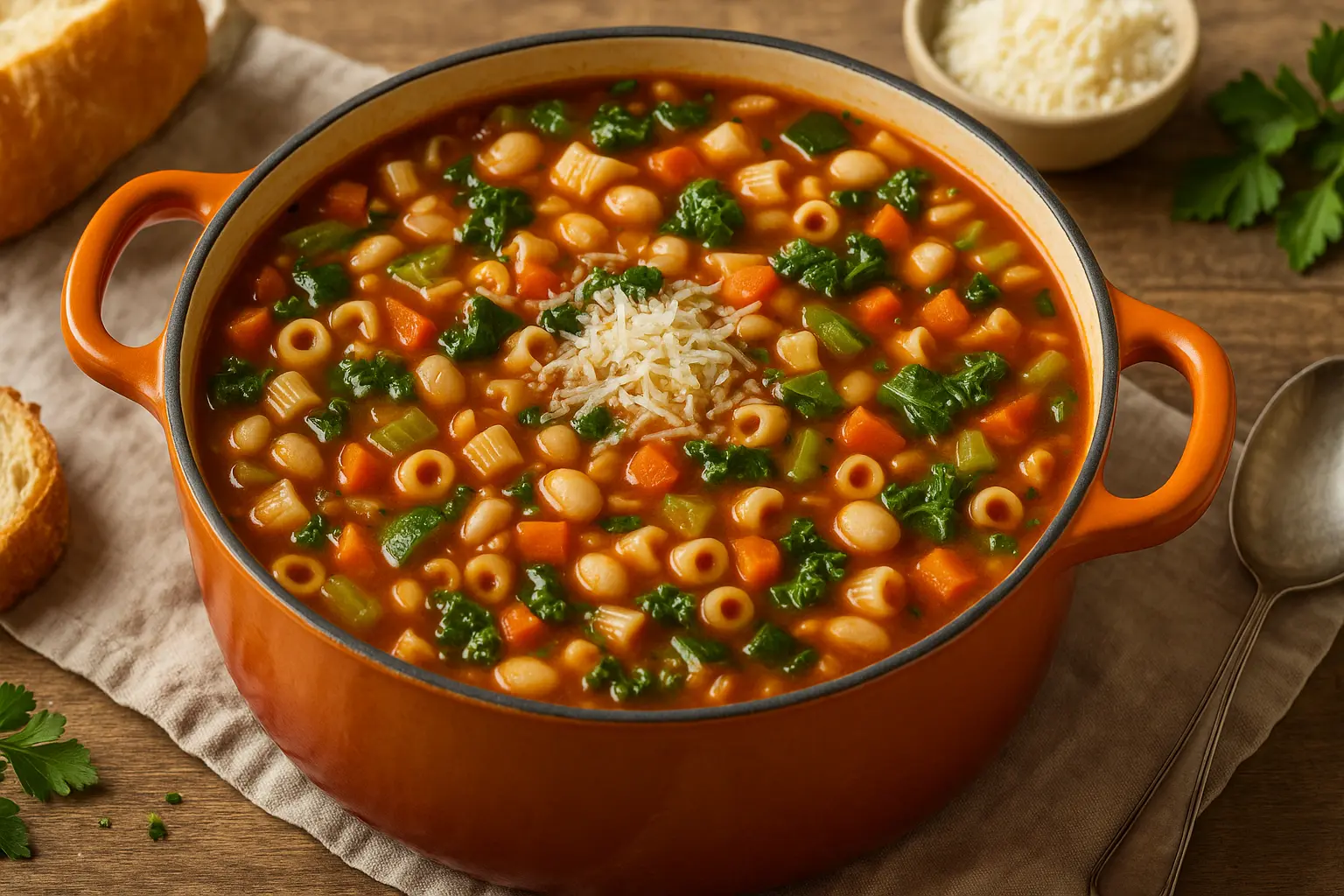
3. Pasta e Fagioli
A hearty soup combining small pasta and beans in a tomato-based broth. Traditionally served with crusty bread, it’s filling and protein-rich.
4. Tortellini in Brodo
This Northern Italian specialty pairs delicate tortellini with a simple yet rich broth. It’s perfect for a special winter dinner.
5. Tomato Basil Orzo Soup
A lighter soup that highlights the fresh pairing of tomatoes and basil, balanced by small orzo pasta.
Global Inspirations for Pasta Soups
Pasta soups transcend borders. Here are global takes that make them versatile and exciting:
- Mexican Sopa de Fideo: Thin noodles simmered in a spiced tomato broth.
- Chinese Noodle Soup: Wheat noodles with bok choy, ginger, and soy.
- Greek Avgolemono: Lemon, egg, and orzo soup with a creamy tang.
- American Beef & Macaroni Soup (Goulash): Ground beef, tomatoes, and elbow pasta.
- Middle Eastern Chicken & Vermicelli Soup: Fragrant with cinnamon and cardamom.
Detailed Recipes
Recipe 1: Hearty Minestrone with Ditalini
Serves: 6 | Prep Time: 20 mins | Cook Time: 45 mins
Ingredients:
- Olive oil – 2 tbsp
- Onion – 1 large, chopped
- Carrots – 2, diced
- Celery – 2 stalks, diced
- Garlic – 4 cloves, minced
- Zucchini – 1, chopped
- Diced tomatoes – 1 can
- Cannellini beans – 1 can
- Vegetable broth – 6 cups
- Ditalini pasta – 1 cup
- Spinach – 2 cups
- Herbs: bay leaf, thyme, basil, oregano
- Salt & pepper to taste
Method:
- Heat oil, sauté onion, carrots, celery, and garlic until softened.
- Add zucchini, tomatoes, beans, and broth. Simmer 20 minutes.
- Stir in pasta, cook until al dente.
- Add spinach and herbs before serving.
- Finish with Parmesan.
Recipe 2: Creamy Chicken Noodle Soup
Serves: 6
Highlights: Comforting broth thickened with a touch of cream.
Recipe 3: Tortellini & Spinach Soup
Quick 30-minute meal. Store-bought tortellini makes this easy yet indulgent.
Recipe 4: Greek Avgolemono with Orzo
Bright and tangy. Perfect for when you want a lighter pasta soup.
Recipe 5: Mexican Sopa de Fideo
Budget-friendly and bold. A staple in Mexican households.
Nutritional Benefits of Pasta Soups
- Carbohydrates for Energy: Pasta provides steady fuel.
- Protein Options: Beans, lentils, or meat boost satiety.
- Vegetable Intake: Soups are a great way to sneak in extra vegetables.
- Hydration: Broth helps maintain hydration in winter.
Tips for Making Pasta Soups Healthier
- Use whole-wheat or legume-based pasta for extra fiber.
- Reduce sodium by making homemade broth.
- Add leafy greens like spinach or kale for vitamins.
- Use lean proteins (chicken, turkey, beans).
- Portion pasta moderately—let veggies and broth shine too.
Make-Ahead, Freezer, and Leftover Tips
- Cook pasta separately and add just before serving.
- Freeze soup base without pasta—then add freshly cooked pasta when reheating.
- Store leftovers in airtight containers for up to 4 days.
Pairing Pasta Soups with Sides
- Crusty Bread or Garlic Bread
- Simple Salads (arugula, balsamic)
- Grilled Cheese Sandwiches
- Roasted Vegetables
Seasonal Variations
- Winter: Root veggies, beans, sausage.
- Spring: Fresh peas, asparagus, light broths.
- Summer: Tomato-based soups with zucchini.
- Autumn: Pumpkin or butternut squash with pasta.
Conclusion
When the chill sets in, nothing compares to the warmth of a pasta soup. Whether you lean toward a rustic Italian minestrone, a creamy chicken noodle, or a global twist like Mexican sopa de fideo, the possibilities are endless. These soups aren’t just meals; they are bowls of comfort, connection, and tradition.
So next time you’re wrapped in a blanket on a frosty evening, ladle up a steaming serving of pasta soup and let it soothe both body and soul.

Leave a comment
Your email address will not be published. Required fields are marked *